Table of Contents
Singapore’s property market is not standing still, but it is no longer rewarding rushed decisions in the same way. Recent market commentary around the first quarter of 2026 points to private home prices edging up by about 0.9 per cent, while activity has become more selective. That combination matters: prices can remain firm even when buyers take longer to commit.
For anyone looking at a home, an investment property or a new launch, the useful question is not whether prices will rise next month. It is whether the property still makes sense after the mortgage, taxes, maintenance, waiting time and likely resale competition are all counted.
The market is moving, but with less noise
The first half of 2026 has offered a familiar Singapore pattern. New projects can attract strong attention, especially when the location, unit mix and entry prices line up. At the same time, buyers are comparing more carefully and are less willing to overlook an awkward layout or an ambitious asking price.
That is a healthier environment than a market driven purely by fear of missing out. Sellers still have support from limited land and Singapore’s long-term demand story, but a buyer who does the groundwork has more room to walk away. Our recent look at why buyers have more room to think in 2026 makes a similar point.
Private homes: compare the whole deal, not just the headline price
A new launch price is easy to remember. The less visible parts of the purchase are what usually determine whether the decision remains comfortable two or three years later.
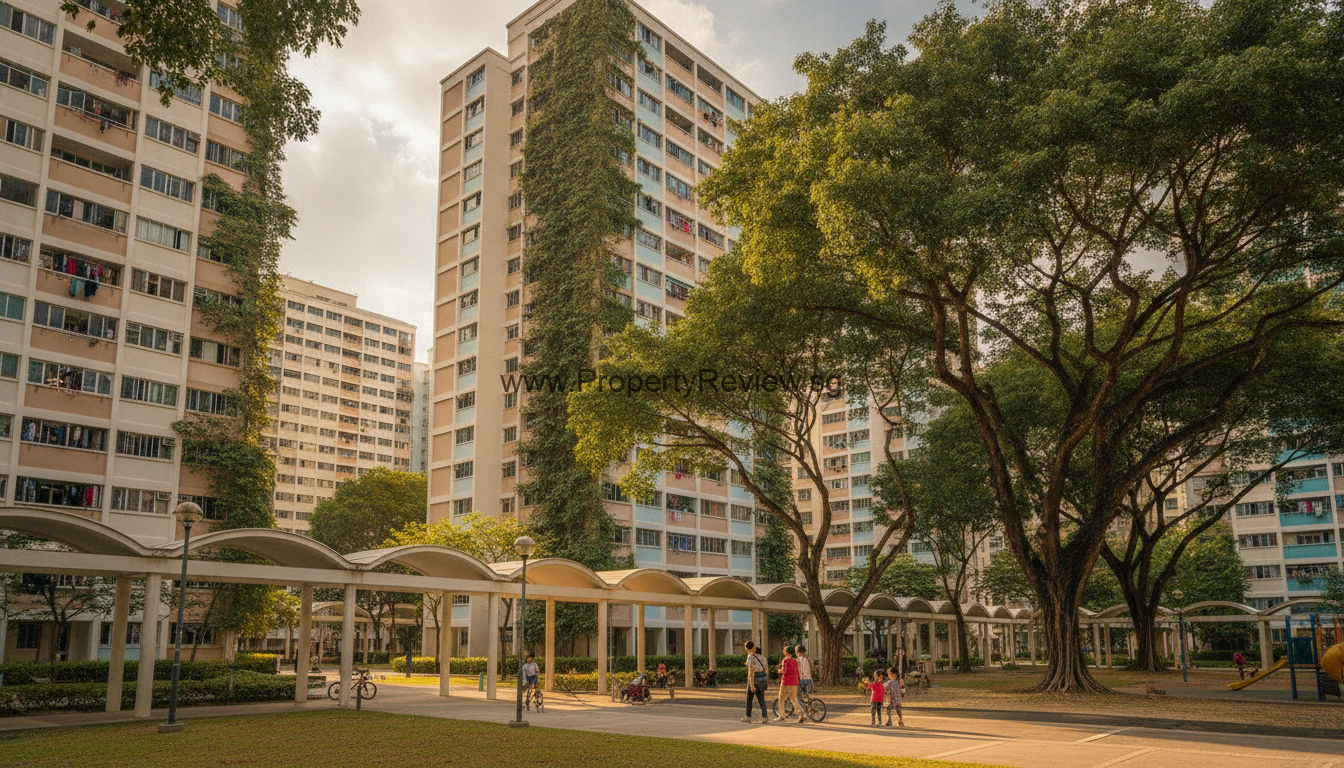
Buyers should compare the usable layout, maintenance fees, floor level, facing, renovation needs and distance to daily transport. A lower psf figure does not automatically mean better value if the unit has a large amount of inefficient space. Likewise, a premium for a mature location may be reasonable when it buys established schools, shops, parks and a deeper resale pool.
The financing test should be deliberately boring. Run the numbers at a higher interest rate than today’s quote, allow for periods without rental income, and keep a cash buffer after the down payment and transaction costs. If the purchase only works under perfect conditions, it is probably too stretched.
HDB resale: condition and remaining lease deserve equal attention
Resale flat buyers are often drawn to the size and convenience of older estates. That appeal is real, but the remaining lease and the flat’s future buyer pool cannot be treated as footnotes.
Start with the practical questions. How much upgrading is needed? Are the plumbing, electrical fittings and windows in reasonable condition? Is the block close to transport but also exposed to road noise? Does the layout suit the next stage of the owner’s life, rather than only the viewing day?
An older flat can still be a sensible home when the price reflects its age and the buyer expects to stay for a meaningful period. Our guide to questions worth asking when buying an older Singapore flat is a useful checklist before making an offer.
Rentals: tenants are becoming more selective too
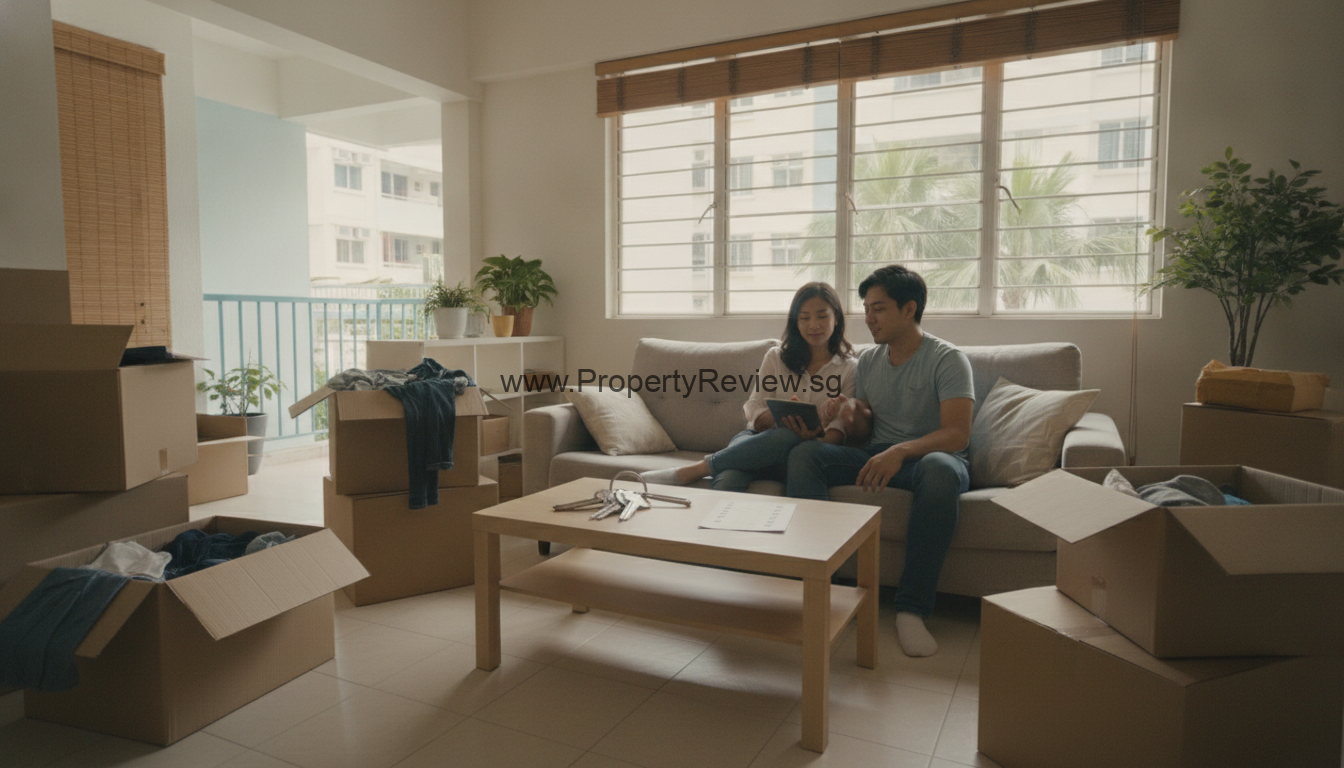
The rental market has changed from the frantic search seen at the height of the recent surge. Good homes in convenient locations can still move quickly, but tenants are looking more closely at value, condition and commuting time.
For landlords, a clean presentation and a realistic asking rent often do more than a short-lived premium. A responsive agent, clear inventory and a straightforward handover can also reduce the vacancy period. The aim is not to win every dollar on paper; it is to secure a reliable tenant without repeated weeks of uncertainty.
Tenants should look beyond the monthly figure. Check the lease terms, repair responsibilities, renewal language, internet and utility arrangements, and whether the advertised commute reflects the actual peak-hour journey. A home that saves time every day can justify a modest premium, but only if the rest of the agreement is fair. See our practical take on how landlords can respond to rental demand.

New launches: the location story needs a reality check
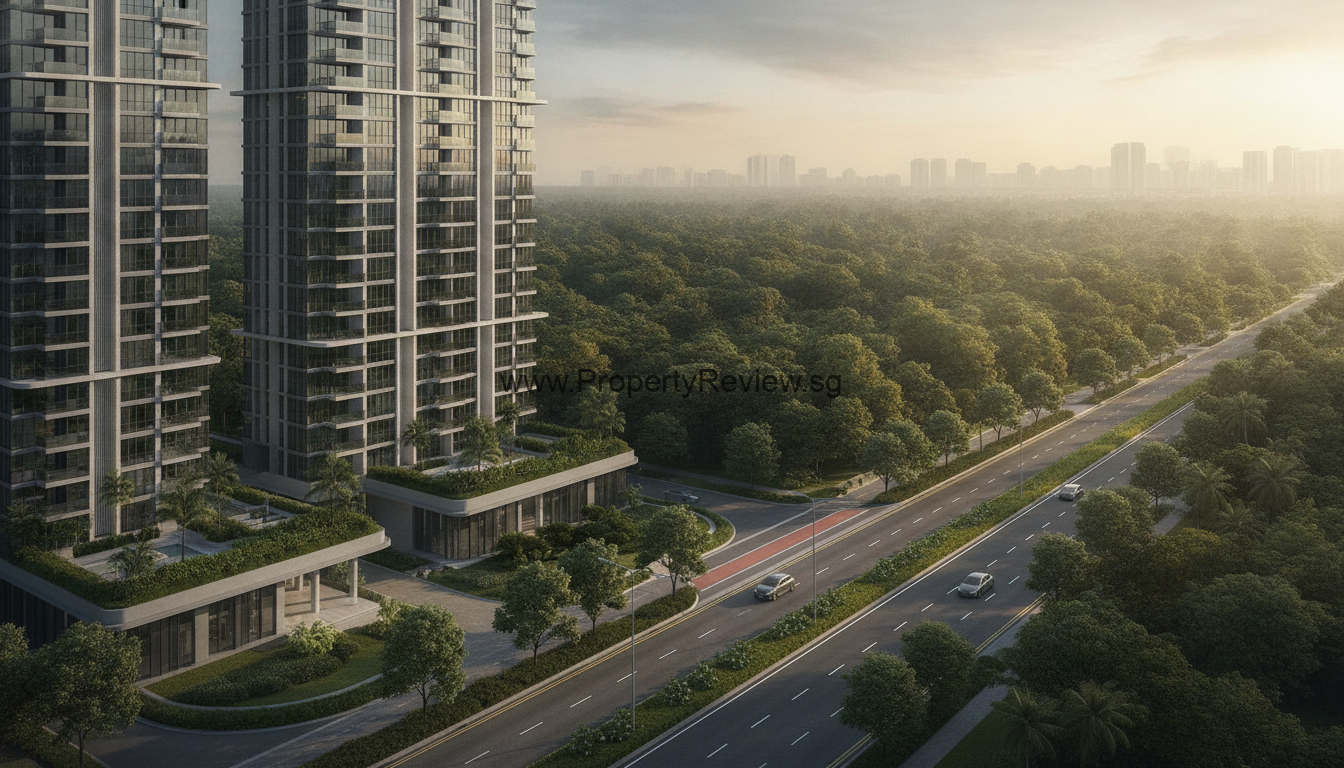
Upcoming launches remain a major part of the market conversation. Buyers should separate a genuine connectivity improvement from a promise that depends on a project still years away.
Visit the site at different times. Check the walk to the nearest MRT station rather than relying on a map radius. Look at traffic, construction activity, nearby amenities and what competing projects are scheduled to complete around the same period. In districts with many future homes, the first launch may not enjoy a permanent scarcity premium.
The same discipline applies across the regions. Our guides to new launches in the Core Central Region and new launches in the Rest of Central Region show why district labels alone are not enough to make a comparison.
A sensible checklist for this week
Before booking a viewing or signing an option, write down three numbers: the maximum comfortable monthly payment, the total cash needed up front and the minimum buffer that must remain untouched. Then shortlist only homes that fit all three.
Next, compare at least three genuinely similar properties. Similar means comparable tenure, age, size, condition and distance to transport—not simply three listings in the same district. Ask what would make each seller accept a lower price, and what could make the property harder to sell later.
Finally, give yourself permission to pause. A market with steady prices does not require every buyer to buy immediately. Good property decisions usually look less exciting at the start and more comfortable after the paperwork is complete.
This article is for general information only and is not financial or property investment advice. Market conditions, financing rules and transaction costs can change; readers should verify current details with the relevant authorities and qualified professionals.