Table of Contents
Buying a home in Singapore in 2026 feels less like a race and more like a negotiation. Prices are still edging higher, but the pace has cooled enough for buyers to ask better questions before they commit.
What the latest numbers are really saying
The Urban Redevelopment Authority’s second-quarter 2026 release put the overall private residential price increase at 0.5%, down from 0.9% in the first quarter. That is not a falling market, but it is a different market from one where every launch seems to move at once. Buyers may have a little more time to compare layouts, facing and total monthly cost.
Affordability is more than the purchase price
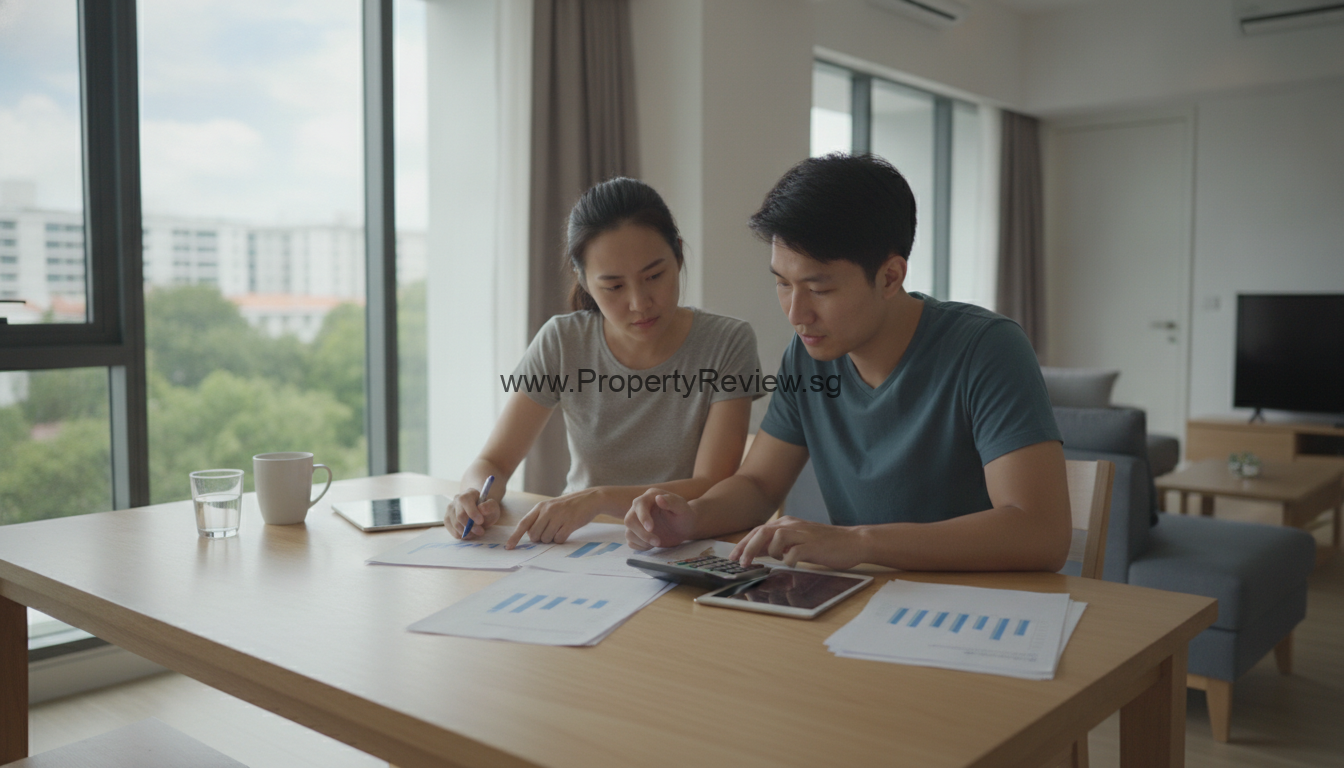
A buyer who focuses only on the psf figure can miss the pressure created by interest rates, renovation, maintenance fees and transport. Run the numbers using a rate that is higher than today’s most attractive package. Then leave room for ordinary life: childcare, insurance, repairs and the occasional month when savings do not go to plan.
For a practical second opinion, our guide on comparing Singapore condo listings looks at the details that are easy to overlook when two units appear similar online.
Where buyers may have more room to choose
The most useful question is not whether a neighbourhood is “hot”. It is whether the location suits the way you will live for the next five to ten years. A mature estate with reliable transport, schools, shops and shade can be a better fit than a newer address that looks impressive but adds 30 minutes to every weekday.
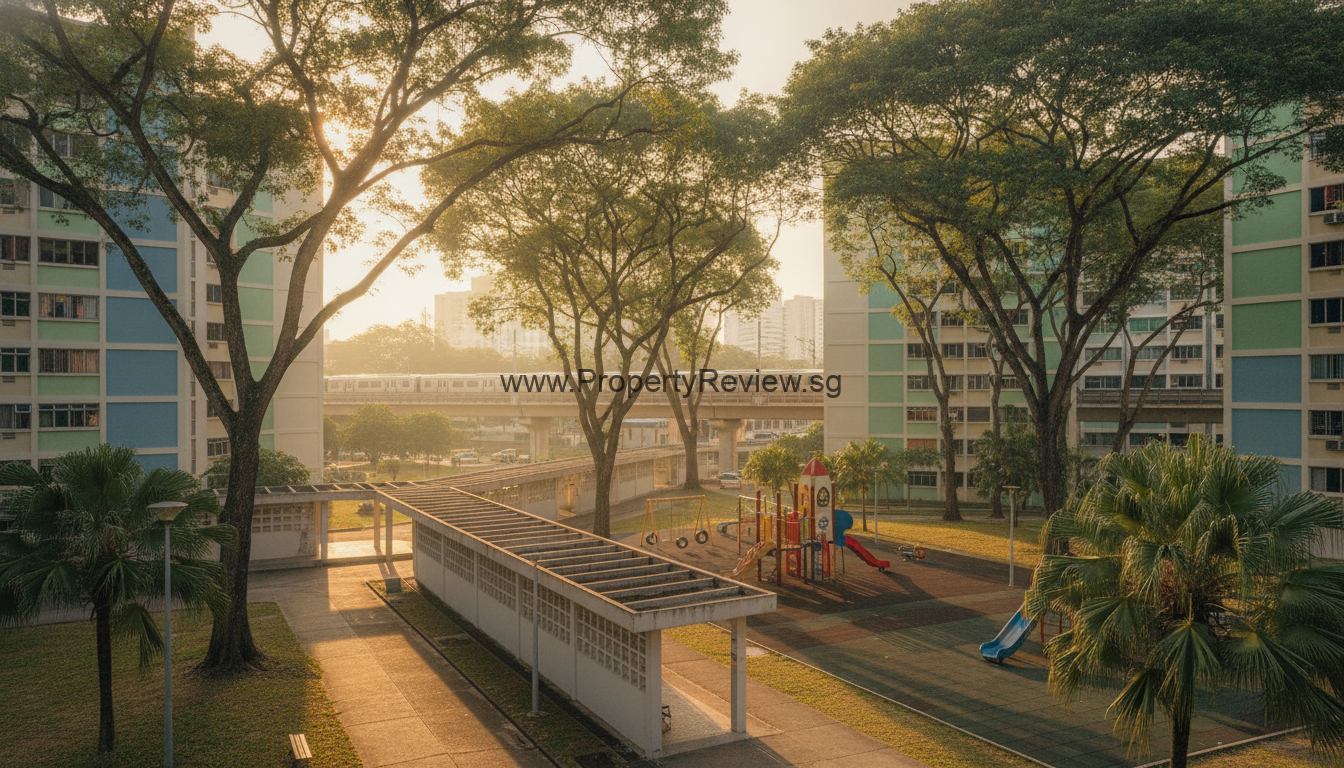
It is also worth looking beyond the newest launch. Older projects can offer larger rooms and established surroundings, though buyers should check maintenance history, upcoming works and the remaining lease where relevant. Our recent piece, why patience pays in Singapore’s 2026 property market, explores this slower approach in more detail.
What to ask during a viewing
Visit at different times if you can. Listen for traffic, look at the afternoon heat, test the water pressure and check where delivery riders, bins and service areas sit. Ask how often the maintenance fee has changed and whether major works are being discussed. A polished showflat cannot answer those questions for you.
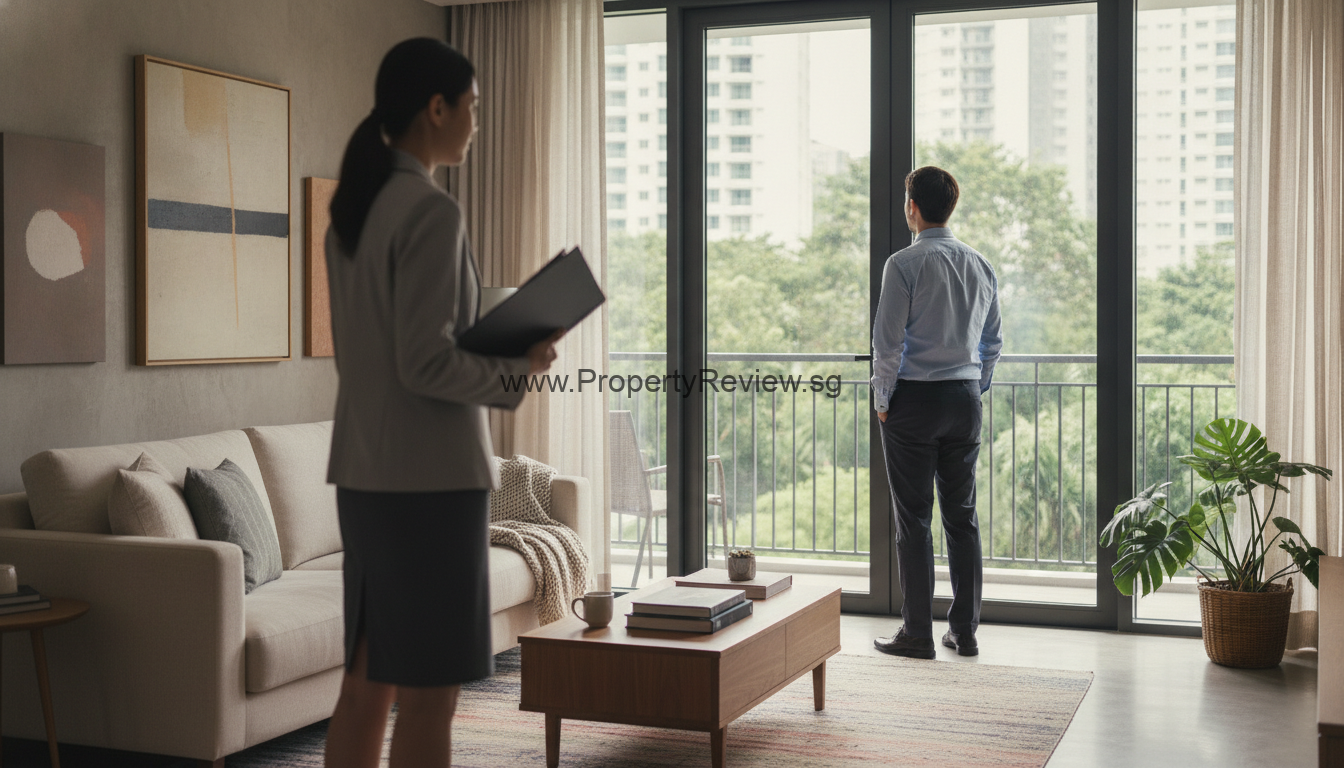
If you are selling one home to buy another, timing deserves its own plan. Work out the cash-flow gap, temporary housing cost and likely completion dates before making an offer. Our look at Singapore rental demand is useful context for owners considering a short rental period while they make the move.
A calmer market rewards careful buyers
The latest price data does not point to a dramatic bargain. It does point to a market where discipline matters. Compare the full cost, inspect the everyday surroundings and be willing to walk away when the numbers only work under perfect conditions. The right home is still personal, but a careful process gives you a much better chance of enjoying it after the keys change hands.
Market context in this article is based on the URA’s second-quarter 2026 real estate statistics released on 24 July 2026. Individual properties and financing outcomes will differ.