Table of Contents
Singapore’s housing market is not sending one loud signal at the moment. Instead, the latest numbers point to a market that is still moving, but with less urgency than many buyers became used to over the past few years. That change matters. It gives households more room to check the numbers, compare locations and decide whether a particular home fits their lives.
The Urban Redevelopment Authority’s second-quarter 2026 release offers a useful snapshot. Private residential prices rose 0.5% in the quarter, down from 0.9% in the first quarter. Across the first half of the year, the private price index was up 1.4%, below the 1.8% increase recorded in the first half of 2025. This is slower growth, not a collapse.
What the latest numbers are really saying
The headline private-market figure hides some meaningful differences. Landed home prices rose 2.5% in the second quarter, while non-landed prices edged down 0.1%. Within the non-landed segment, the Core Central Region gained 1.8%, but the Rest of Central Region fell 1.2% and the Outside Central Region slipped 0.1%.
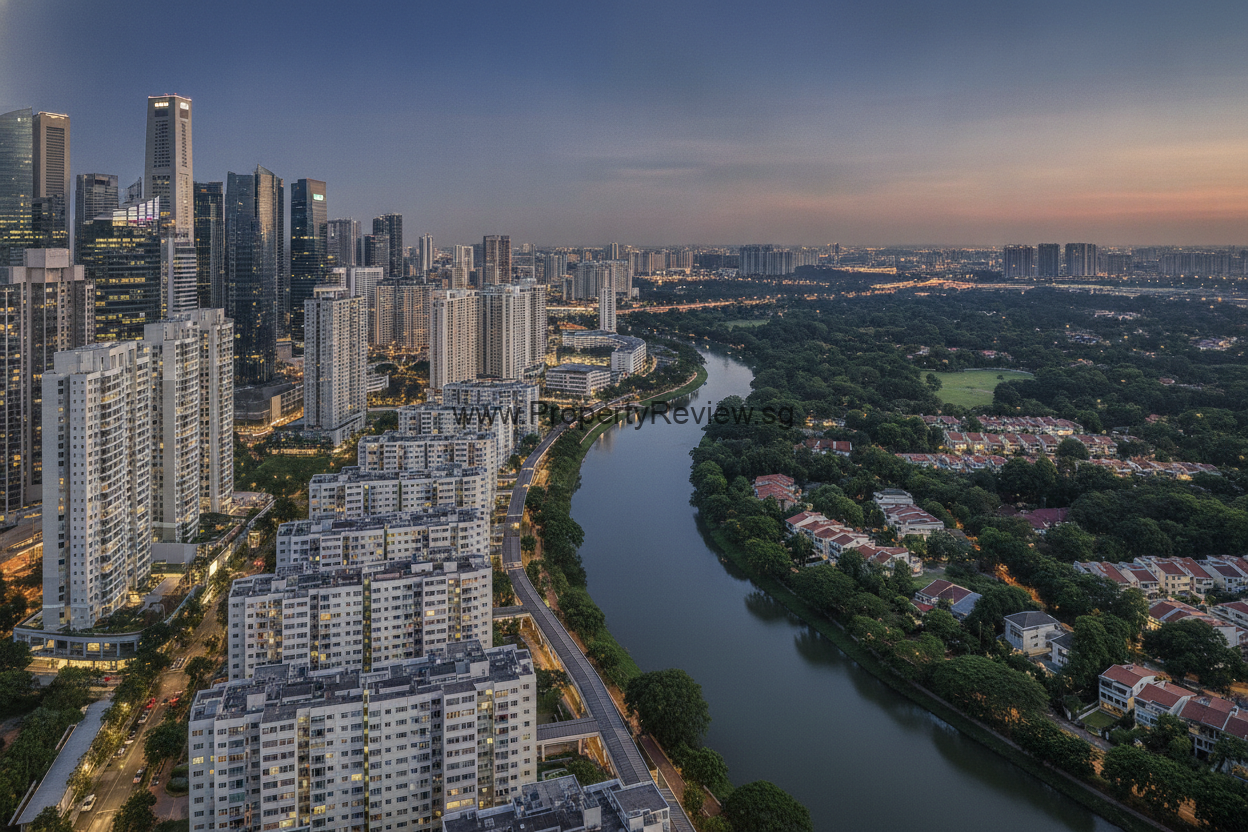
That split is a reminder not to treat “Singapore property prices” as one single market. A buyer considering a city-fringe resale apartment is facing a different set of choices from someone comparing a prime-area unit or a suburban new launch. Tenure, lease balance, nearby transport, school demand, unit size and the competing supply in the neighbourhood can all matter more than the island-wide average.
Supply is becoming part of the buyer’s calculation
Supply is another reason buyers may not need to rush into the first suitable listing. The government land sales Confirmed List has 4,745 private residential units scheduled for launch in the second half of 2026. That brings the full-year Confirmed List supply to 9,320 units, more than 50% above the ten-year annual average cited by URA.
URA also says about 60,600 private residential units, including executive condominiums, are expected to be completed over the coming years. Some of those homes will not be direct substitutes for an older resale flat. Still, future choice can affect how buyers view pricing today, especially when a project is competing with several newer developments nearby.
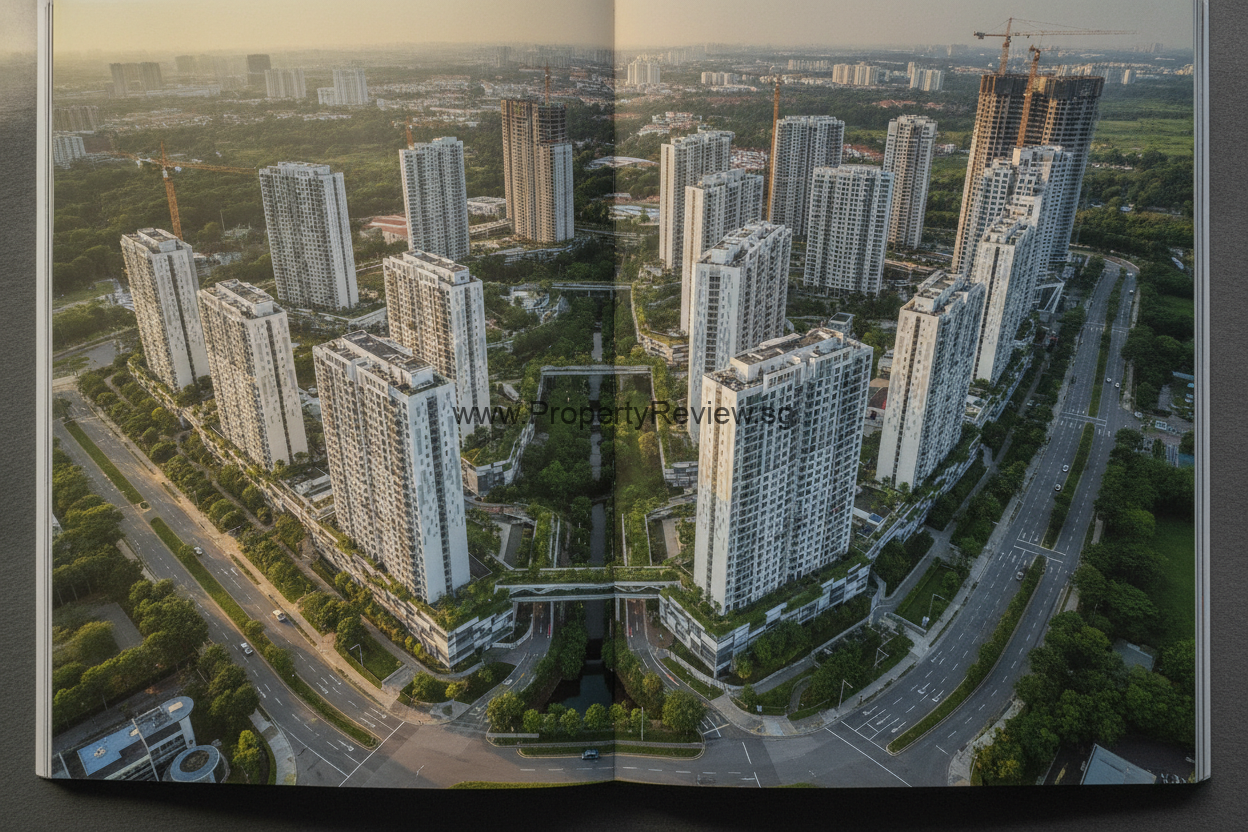
More supply does not automatically mean lower prices everywhere. Well-connected projects with a strong layout, sensible maintenance costs and a clear buyer pool can still attract demand. The practical question is whether a home has something defensible about it, rather than whether the wider market is rising by a certain percentage.
Resale buyers have a little more room to negotiate
Resale activity was firm in the second quarter. URA recorded 3,813 private residential resale transactions, up from 3,225 in the first quarter, and resale homes accounted for 62% of all private residential sale transactions. That suggests buyers are still active, but activity alone should not be mistaken for a reason to overpay.
For a resale buyer, the useful work happens at street level. Compare recent transactions for similar floor areas, inspect the condition of the building and ask about upcoming major works. A lower asking price can lose its appeal if renovation, repairs or a high monthly maintenance bill quickly eat into the difference.
Our guide on how to compare Singapore condo listings is a useful companion before arranging several viewings. Buyers considering older stock may also want to work through the questions in this checklist for older Singapore flats.

Three checks before making an offer
- Stress-test the loan. Run the monthly payment at a higher interest rate, not just the rate quoted today. Keep room for renovations, property tax, insurance and a period of weaker income.
- Look beyond the show flat. Check the actual walking route to transport, noise at different times and the age and condition of nearby buildings. A beautiful unit cannot change an inconvenient daily journey.
- Compare the alternatives. Place the shortlisted home beside at least one resale option and one new-launch or upcoming project. The aim is not to find a perfect bargain; it is to understand what the same budget can buy elsewhere.
Those checks are especially important while the economic outlook remains uncertain. URA has advised households to be prudent when buying property and taking out mortgage loans. That is sensible advice even for buyers who are comfortable with their current income: a home is a long commitment, and flexibility has a value that is easy to overlook during a competitive viewing.
New launches still need a close reading
Developers launched 1,783 uncompleted private residential units, excluding executive condominiums, in the second quarter and sold 2,141. The numbers show that demand has not disappeared. They do not, however, make every new launch a good fit for every buyer.
When comparing a launch, look at the total price rather than the headline entry price. Include renovation allowances, furnishing, maintenance fees and the cost of financing during construction. Then ask whether the expected completion date suits your housing needs. Readers tracking city-fringe choices can also browse our overview of new launches in the Rest of Central Region.
For a broader month-to-month view, see our recent August 2026 Singapore property market review. It makes more sense to read the two pieces together than to base a decision on a single quarterly percentage.
A calmer market rewards a better process
The most useful conclusion from the second-quarter data is not that prices will definitely fall or rise sharply next. It is that the market is giving buyers a chance to be more selective. Private prices are still edging higher overall, supply is building, and different regions are behaving differently.
That combination favours preparation. Set a comfortable budget, decide which compromises are acceptable and compare like-for-like homes before negotiating. If the numbers only work under an optimistic interest-rate or rental assumption, walking away may be the more sensible property decision. Patience is not a market forecast; it is simply a way to make sure the home you buy still makes sense after the excitement of the viewing has passed.
Market figures in this article are based on URA’s release dated 24 July 2026. Readers should check the latest official data and obtain independent financial and legal advice before making a property decision.