In a definitive demonstration of the enduring appeal of prime commercial conservation properties, a contiguous row of three freehold shophouses in the heart of Holland Village has been successfully transacted for an aggregate sum of $70 million. The blockbuster portfolio transaction highlights robust institutional and ultra-high-net-worth appetite for rare, yield-generating commercial brick-and-mortar assets within Singapore’s most resilient lifestyle enclaves.
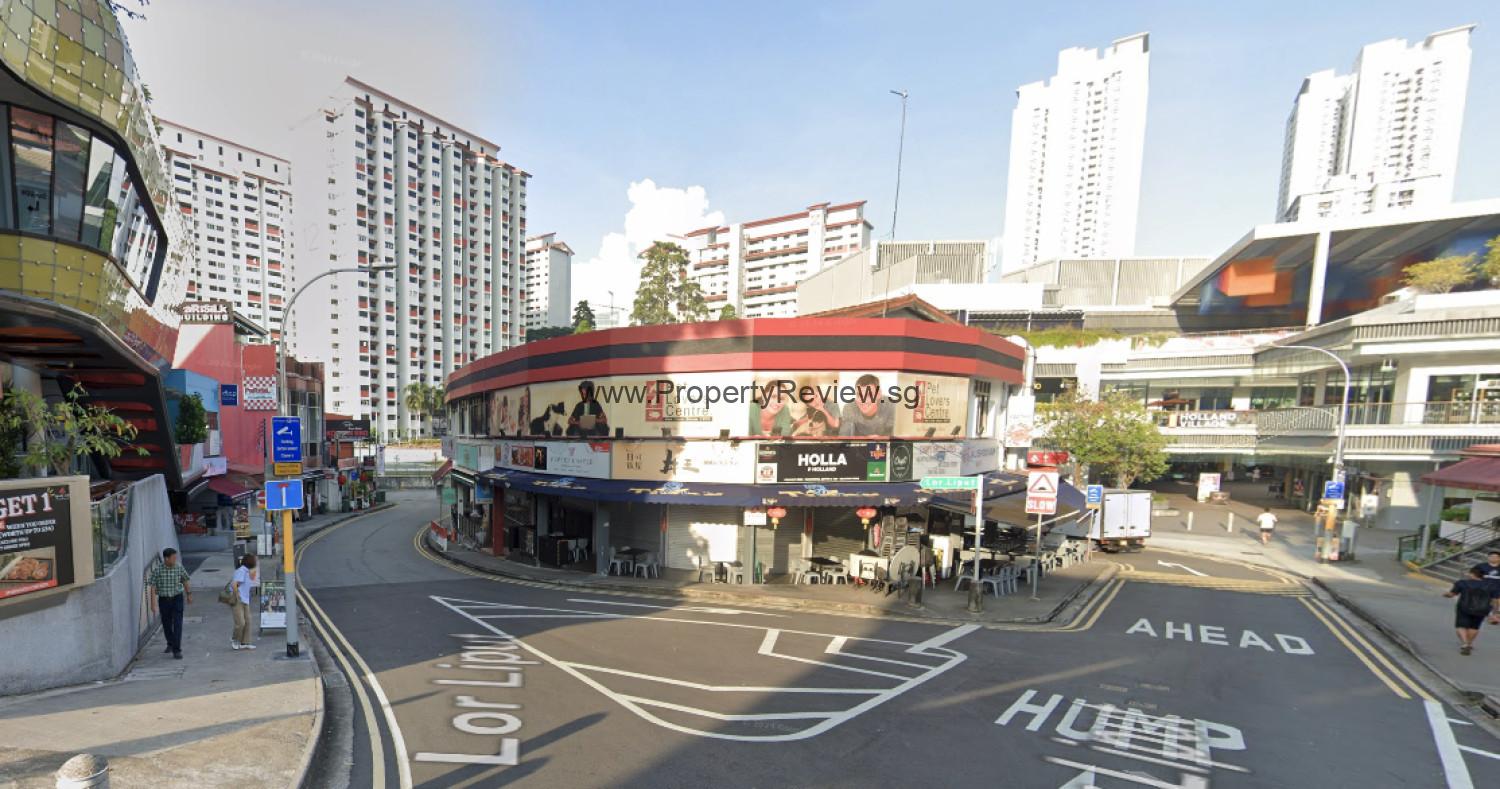
The trio of properties, prominently positioned along Lorong Liput, changed hands in a highly competitive collective expression of interest exercise. The final transacted price of $70 million marks a significant premium of approximately 17% over the initial collective guide price of $60 million when the properties were officially launched to the market. This substantial premium reflects the premium that private capital is willing to deploy to secure contiguous commercial footprints in locations with tight supply dynamics and high footfall counts. Market sources indicate that the buyer is an investment vehicle linked to a prominent private wealth entity, historically associated with the founding family unit behind the former Tat Lee Bank, emphasizing the steady migration of legacy domestic capital back into high-conviction local commercial real estate.
The subject properties occupy a commanding position within the vibrant commercial grid of Holland Village, an area long celebrated for its eclectic mix of casual dining, artisanal cafes, and late-night lifestyle establishments. Featuring wide dual-frontage exposure, the contiguous row offers an aggregate land area of approximately 4,950 square feet, with a combined total built-up area estimated at roughly 10,500 square feet. The transaction translates to an analytical rate of approximately $6,666 per square foot on the estimated built-up area, a metric that places it at the upper echelon of historic commercial transactions within the immediate District 10 submarket. Each of the three shophouses stands at two storeys tall with attic spaces, and all three units are fully leased to established food and beverage and lifestyle anchor tenants, ensuring an immediate, predictable stream of recurring rental income for the incoming asset manager.
The unique architectural layout of the properties allows for flexible internal configuration, offering the new owner significant asset enhancement potential over the medium-to-long term. Because the units sit adjacent to one another, there is long-term potential to look into spatial optimization, such as breaking down internal partition walls to accommodate larger flagship tenancies, subject to the relevant conservation guidelines from the Urban Redevelopment Authority (URA). Currently, the commercial enclave benefits from high-value tenant retention, with strong occupancy records driven by the strategic placement of the shophouses right across from the popular open-air public parking lots and the pedestrianized walkways that form the core social spine of Holland Village.
The Wealth Premium and Capital Reallocation in Premium Commercial Conservation Enclaves
The thing that really stands out is that someone just closed a deal worth $70 million. This is a sign of what is going on in the Singapore commercial property market. A lot of families are putting their money into real estate because they think it is a safe bet. They want something that they can touch. That will not lose value easily. This is happening because the economy around the world is very unpredictable now. Big investment funds are being very careful about what they invest in because interest ratesre high.. Wealthy people and family offices in Singapore are still very interested, in buying property because they want to protect their money. The $70 million block deal is an example of this trend. Wealthy families are looking for ways to keep their money safe. They think that real estate is a good way to do this.
Shophouses, particularly those holding coveted freehold titles within prominent commercial zones like Holland Village, function effectively as a form of “real estate gold,” offering a combination of low downside risk, absolute scarcity, and capital appreciation potential that capital markets rarely replicate.
Furthermore, the commercial zoning of these three shophouses means the transaction is entirely exempt from the Additional Buyer’s Stamp Duty (ABSD), which applies strictly to residential properties. This regulatory dynamic heavily favors commercial shophouse investments, making them the vehicle of choice for both local tycoons and international investors looking to park substantial tranches of liquidity in Singapore without incurring heavy tax friction. Foreign buyers face no ownership restrictions when acquiring commercially zoned shophouses, allowing these assets to command a structural premium over standard commercial condominiums or suburban retail spaces. The Lorong Liput transaction underscores this dynamic perfectly, as multiple parties competed fiercely for the bundle, driving up the premium to its final double-digit variance.
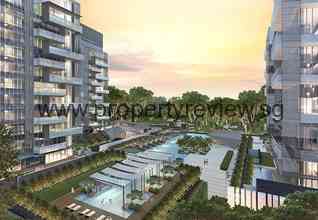
Looking ahead, the long-term capital appreciation of the Holland Village submarket is poised to receive further structural tailwinds from the ongoing integration of new mixed-use developments in the immediate vicinity, such as One Holland Village. This influx of high-density residential apartments, premium office spaces, and curated retail concepts has fundamentally expanded the primary catchment area of the district, driving higher daytime foot traffic and expanding the consumer base beyond the traditional evening and weekend peaks. By securing a dominant, contiguous foothold along Lorong Liput, the purchasing family unit has effectively positioned itself to capture the rising economic rent of the entire ecosystem. As conservation shophouses remain a strictly finite asset class within Singapore’s urban landscape, block deals of this magnitude are likely to grow increasingly rare, solidifying this $70 million transaction as a benchmark case study for prime commercial real estate valuation for years to come.