

Table of Contents
The Singapore property market is changing in 2025. It’s important for those looking to buy to know about new taxes and rules. This guide will cover property taxes, regulations, and other key points. These will shape the real estate scene in Singapore next year.
Key Takeaways
- The Singapore government will give a one-off Property Tax rebate in 2025. It’s 20% for HDB flats and 15% (capped at $1,000) for private homes.
- More than 90% of private home owners will pay less in Property Taxes in 2025.
- Property tax in Singapore is based on a property’s Annual Value, not rental income.
- Owner-occupied homes have special tax rates. The first $12,000 is taxed at 0%. Then, rates go up to 32%.
- Non-owner-occupied homes are taxed more. Rates range from 12% to 36% based on Annual Value.
Introduction to Singapore’s Property Market in 2025
Singapore’s property market is set for big changes in 2025. The focus is on reducing wealth gaps and stabilizing the housing market, especially in luxury homes. The government has brought in new taxes and rules to help achieve these goals. This will change how Singapore Residential Properties and Singapore Commercial Properties work.
Recently, property prices in Singapore have gone up a lot. This has made it hard for middle-class families and young people to find homes. The new tax system has a progressive structure for expensive properties. The highest rates will now be 20% for homes people live in and up to 27% for investment properties. This is to slow down the market and make homes more affordable.
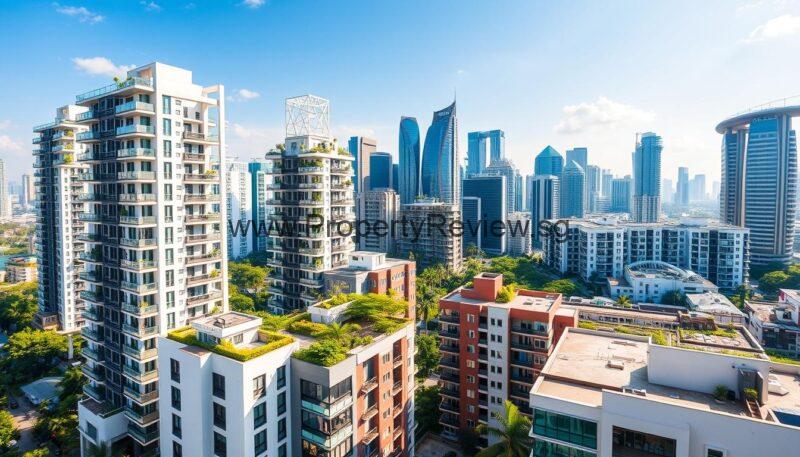
Even with these changes, the Singapore property market is still very appealing to investors. Developers are still selling a lot of new homes, especially in the Core Central Region. Most of these buyers are Singaporeans and Permanent Residents. The prices of these homes have hit new highs, showing the demand for luxury properties.
As the market changes, investors and buyers need to understand the new rules. Trends like green buildings and eco-friendly homes are becoming more important. The government is also helping first-time buyers and low- to middle-income families. This ensures the market is open to more people in Singapore.
Recent Changes in Property Taxes
In 2025, Singapore’s property tax rules have changed. These changes affect both homes where people live and those rented out. The government now offers a tax break on the first $12,000 of a home’s value for those who live there. Then, taxes go up as the home’s value increases.
But, homes rented out face higher taxes. Taxes start at 12% for the first $30,000 and can go up to 36% for values over $60,000. This is to make owning a home more appealing and to reduce renting out homes for profit. Also, buying homes from abroad now costs more due to higher stamp duties.
Commercial and industrial properties now pay a flat 10% tax on their value. This makes taxes simpler for businesses. The government wants to encourage investment in Singapore while keeping taxes fair and clear.
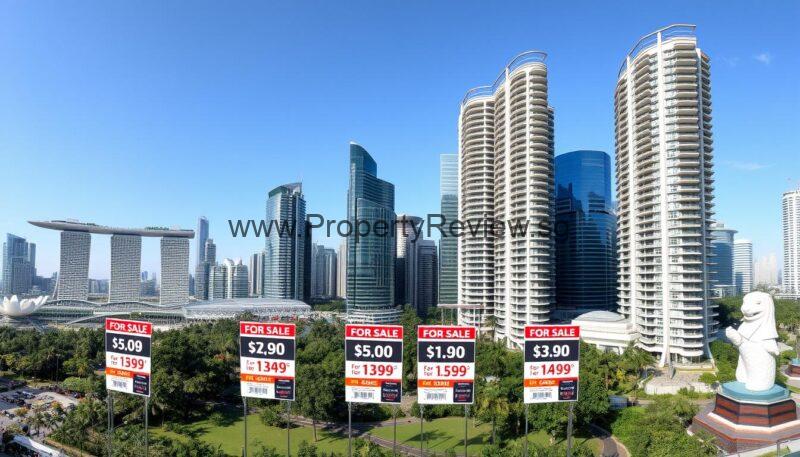
The new tax rules in 2025 aim to make homes more affordable and encourage people to own them. At the same time, Singapore remains a good place to invest in property. Homeowners can use the Extended GIRO Scheme to pay taxes more efficiently.
Regulatory Framework Impacting Property Purchase
The Singapore property market is guided by a strong set of rules. The Inland Revenue Authority of Singapore (IRAS) is key in making and enforcing these rules. They make sure both buyers and developers follow the tax laws.
The Urban Redevelopment Authority (URA) and Housing & Development Board (HDB) also play big roles. In 2025, they introduced new rules. These include stricter rules for home offices and special tax rules for childcare centers or other unique uses.
The government wants to slow down the luxury market. They aim to encourage more investment in affordable homes. This balance helps keep the market healthy and makes homes more accessible to locals.
Additional Fees When Purchasing Property
Buying property in Singapore is more than just the price. Buyers face a complex set of fees and costs. These include legal fees, stamp duties, and agent commissions. For HDB flats, resale fees and administrative costs are also part of the package.
Valuation fees, home insurance, and renovation costs are also to be considered. The government offers schemes to help with these costs, especially for public housing. But, it’s key to understand and budget for these fees for a smooth transaction.
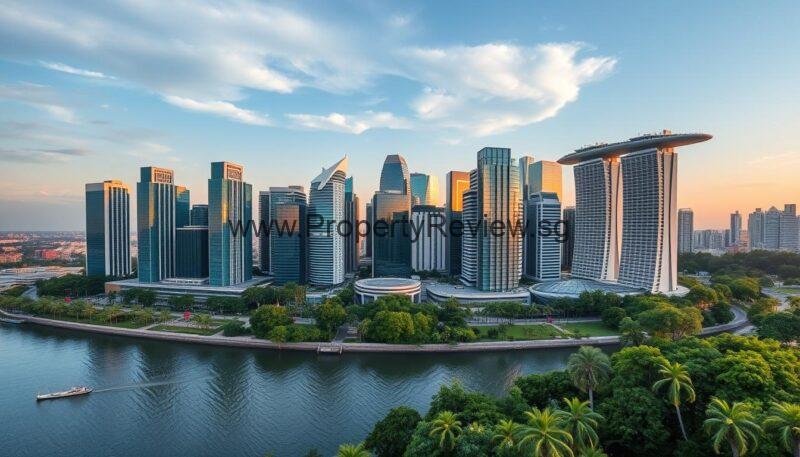
HDB resale flat prices have jumped by 32.8% in 10 years. Private property prices have risen by 37.7%. A 5-room HDB resale flat now costs $675,000 on average, with an average HDB size of 1,026 square feet.
Condo prices average $1,945,523 for 1,048 square feet. Landed properties average $5,371,943 for 3,180 square feet. These prices show the rising value of properties in Singapore.
Singapore property buyers face many extra fees. Option fees for HDB BTO flats range from $500 to $2,000. Downpayments are 20% for HDB loans and 25% for bank loans.
Stamp duties add to the cost, with rates from 1% to 60%. Other expenses include survey fees, agent commissions, and renovation costs. These can range from $20,000 to over $100,000. Budgeting for these fees is essential for successful property buying in Singapore.
Foreign Buyer Regulations in 2025
Singapore’s property market has long been a favorite among foreign investors. But, the government has made rules stricter to stop too much speculation. In 2025, foreign buyers will face more rules and higher taxes when buying property here.
The tax for foreigners buying property has gone up to 60%. This makes it harder for overseas investors to buy homes in Singapore. The goal is to keep homes affordable for locals. Foreigners can’t buy all types of properties, like landed homes and some HDB flats.
Buying property in Singapore as a foreigner is now more complicated. Buyers need to get approval from the authorities, which takes weeks. This step is to make sure foreign investments help Singapore’s property market grow in a good way.
Even with these hurdles, Singapore is still a top choice for investors worldwide. In the first nine months of 2024, foreign buyers made up 2% of all new sales. This is down from 4-7% between 2018 and 2023. But, the luxury apartment market in the Core Central Region saw a rise in foreign investors, from 62% in 2023 to 49% in the first three quarters of 2024.
Financing Options for Property Buyers
When buying Singapore residential properties in 2025, buyers have many financing options. The government helps with schemes like the CPF Housing Grant and Enhanced CPF Housing Grant. These are for eligible buyers. Loan programs like HDB loans for public housing and bank loans are also available.
For HDB flats, you need to pay 20% of the price with an HDB loan, or 25% with a bank loan. For private properties like condos and landed homes, you must pay at least 25% of the price. This can be done with cash or CPF funds.
Singapore has rules to ensure responsible borrowing. There are Loan-to-Value (LTV) limits and Total Debt Servicing Ratio (TDSR) restrictions. These help buyers check if they can afford to borrow for Property Prices and Singapore Residential Properties.
Whether you’re buying your first home or investing, knowing about financing in Singapore’s property market is key. Talking to financial advisors or mortgage brokers can help. They offer insights and guidance for 2025.
Impacts of Property Regulations on Buyers
The new property rules in Singapore for 2025 will change the real estate market a lot. In the short term, luxury property trends might slow down. But, middle-income buyers could see prices drop, making homes more affordable.
Buyers might feel both worried and hopeful about these changes. They’ll see prices adjust and where people invest change. These moves aim to make the market grow in a healthy way and be more open to everyone.
At first, these rules might cause some trouble. But they’re meant to make the real estate market fairer. They want to help local people and first-time buyers more. We’ll see how well these plans work as the market adjusts to the new rules.
Tips for Navigating the Singapore Property Landscape
The Singapore property market is always changing. First-time buyers need to be careful and do their homework. It’s important to keep up with the latest trends and rules.
Understanding all the costs is key. This includes stamp duties and other fees. Planning your budget carefully is essential.
Think about the location, type of property, and how it might increase in value. Missing these points can lead to big mistakes. These mistakes might include spending too much or not understanding the agreement.
Timing is also crucial. Be ready for changes in the market and think about when to buy. Keeping an eye on government policies and rules is smart. These can change how you invest.
By following these tips, you can make smart choices in the Singapore property market. This way, you can find the perfect home and make your investment work for you.
Conclusion: What to Expect Moving Forward
The Singapore property market is always changing. Owners and buyers should watch for new rules to make homes more affordable. They also need to keep up with sustainable development and changing needs.
To stay ahead, it’s key to check government websites often. Attend property seminars and talk to real estate experts. This helps you understand the market better.
Changes in the market might mean you need to rethink your investment plans. You might look at different types of properties or adjust your budget. The market’s ups and downs are influenced by government actions and cooling measures.
Knowing the property cycle is crucial. It helps you make smart choices based on the market’s phases.
The market is expected to grow, with prices going up and more homes coming on the market. But, investors should be careful not to take on too much risk. Being cautious and keeping an eye on trends can help you succeed in Singapore’s property market.
FAQ
What are the key property tax changes in Singapore in 2025?
What are the key property tax changes in Singapore in 2025?
FAQ
What are the key property tax changes in Singapore in 2025?
In 2025, the government will give a 20% Property Tax rebate for HDB flats. Private homes will get a 15% rebate, capped at
FAQ
What are the key property tax changes in Singapore in 2025?
In 2025, the government will give a 20% Property Tax rebate for HDB flats. Private homes will get a 15% rebate, capped at $1,000. The tax rates for Owner-Occupier properties will change from January 1, 2025. HDB flats of one and two rooms will still not pay Property Tax.
How is property tax calculated in Singapore?
Property tax is based on a property’s Annual Value. This is the rent it could earn if rented out. The new tax has a progressive structure for high-value properties. Rates will go up to 20% for owner-occupiers and 27% for investors.
What are the key regulatory changes impacting property purchases in Singapore in 2025?
New rules include stricter home office rules in homes. There are special tax rules for childcare centers and other uses. The goal is to cool the luxury market and help more people afford homes.
What additional fees do property buyers in Singapore face?
Buyers pay more than just the purchase price. They face legal fees, stamp duties, agent commissions, and more. This includes resale fees for HDB flats, valuation fees, insurance, and renovation costs.
What are the regulations for foreign buyers in the Singapore property market in 2025?
Foreign buyers face more rules and higher taxes. The Additional Buyer’s Stamp Duty (ABSD) for them has gone up. There are also limits on what they can buy.
What financing options are available for property buyers in Singapore?
Buyers can get loans from banks or HDB for public housing. The government offers help like the CPF Housing Grant. There are also special schemes for seniors, like the Lease Buyback Scheme.
How will the new property regulations in 2025 impact the market?
The new rules will likely cool luxury property prices. They might also change where people invest. Over time, they could make homes more affordable for more people.
What should first-time buyers in Singapore consider when purchasing property?
First-time buyers should research the market well. They need to know all costs and check if they qualify for schemes. It’s important to think about location, type of property, and future value. Avoid spending too much and remember all extra costs.
,000. The tax rates for Owner-Occupier properties will change from January 1, 2025. HDB flats of one and two rooms will still not pay Property Tax.
How is property tax calculated in Singapore?
Property tax is based on a property’s Annual Value. This is the rent it could earn if rented out. The new tax has a progressive structure for high-value properties. Rates will go up to 20% for owner-occupiers and 27% for investors.
What are the key regulatory changes impacting property purchases in Singapore in 2025?
New rules include stricter home office rules in homes. There are special tax rules for childcare centers and other uses. The goal is to cool the luxury market and help more people afford homes.
What additional fees do property buyers in Singapore face?
Buyers pay more than just the purchase price. They face legal fees, stamp duties, agent commissions, and more. This includes resale fees for HDB flats, valuation fees, insurance, and renovation costs.
What are the regulations for foreign buyers in the Singapore property market in 2025?
Foreign buyers face more rules and higher taxes. The Additional Buyer’s Stamp Duty (ABSD) for them has gone up. There are also limits on what they can buy.
What financing options are available for property buyers in Singapore?
Buyers can get loans from banks or HDB for public housing. The government offers help like the CPF Housing Grant. There are also special schemes for seniors, like the Lease Buyback Scheme.
How will the new property regulations in 2025 impact the market?
The new rules will likely cool luxury property prices. They might also change where people invest. Over time, they could make homes more affordable for more people.
What should first-time buyers in Singapore consider when purchasing property?
First-time buyers should research the market well. They need to know all costs and check if they qualify for schemes. It’s important to think about location, type of property, and future value. Avoid spending too much and remember all extra costs.


