Table of Contents
The rise of remote work has changed the rental market in Singapore a lot. It has reshaped what tenants want and brought new trends to the real estate world. The global pandemic made people work from home more, and Singapore’s property market had to change to meet these new needs.
Technology, a focus on work-life balance, and changes in the real estate market are all playing a part. The rental industry in Singapore is going through big changes because of remote work. It’s affecting how people rent places and what they look for in a rental.
Property investors and landlords need to understand these changes. They must know how remote work is changing the demand for rentals and where people want to live. They also need to consider new living options like co-living spaces.
This article will look at how remote work is changing the rental market in Singapore. We’ll explore the trends, challenges, and opportunities that are shaping the future of real estate in the country.
Key Takeaways
- Remote work is driving significant changes in Singapore’s rental market, influencing tenant preferences and the overall demand for rental properties.
- The shift towards flexible work arrangements is reshaping the way people approach their living and working spaces, leading to a growing emphasis on work-life balance and the integration of home and office environments.
- Technology advancements are enabling remote workers to explore new living options, including the rise of co-living spaces, which offer a blend of communal and private living spaces.
- Property investors and landlords must adapt to these changing trends, understanding the evolving needs of tenants and exploring new strategies to attract and retain remote workers.
- The rental market in Singapore is expected to continue experiencing downward pressure, particularly in certain regions and property types, as the impact of remote work continues to unfold.
Introduction to Remote Work and Singapore Property Trends
Remote work is now a big deal in cities like Singapore. By 2025, 70% of the world’s workers will work from home at least five days a month. This change is making Singapore’s property market different, with people looking for homes that fit their new work-life balance.
More people in Singapore are working from home or in a mix of home and office settings. This means they want bigger homes and condos with a dedicated workspace. These places are in demand because they help remote workers do their jobs well. Also, the rental market in Singapore is getting busier, with people looking for flexible leases that fit their lifestyle.
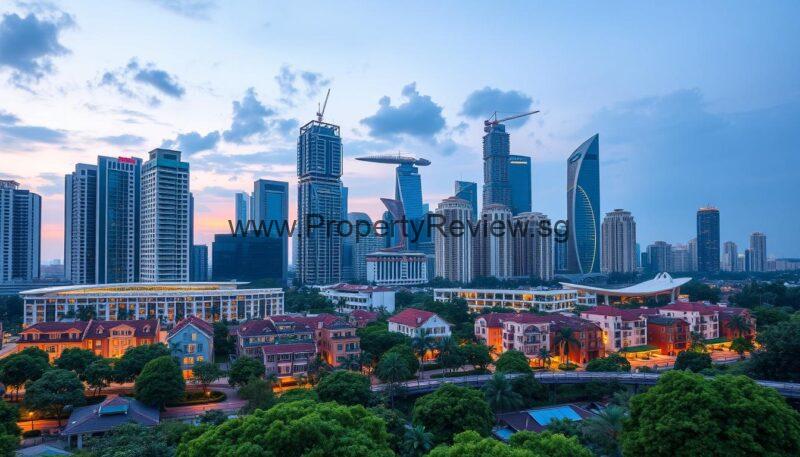
The way people work is changing, and so are their housing needs in Singapore. They don’t need to live close to offices anymore. This lets them explore more neighborhoods and suburbs for their homes. The rental market in Singapore is getting ready to meet the varied needs of remote workers.
Shifting Demands for Rental Properties in Singapore
The demand for rental properties in Singapore is changing due to remote work. Tenants now want bigger spaces for home offices. They also prefer flexible lease options, not just long-term contracts.
This change affects many areas, from co-working spaces to short-term rentals. Companies are offering flexible plans. This lets renters adjust their needs easily and makes the rental service more appealing.
HDB rents in mature estates rose by 0.9% in October. Non-mature estates saw a 0.2% drop. Three-room flats saw a 1.2% increase, while five-room and executive flats rose by 0.7% and 0.8% respectively. Four-room units saw a 0.3% decrease.
The overall HDB rental market grew by 4.6% year-over-year. Mature estates saw a 5.6% increase, and non-mature estates a 3.5% rise.
In the condo rental market, volume fell by 7.5% in October but rose 5.3% year-on-year. Rental prices for condos went up by 0.5% in October. However, year-on-year, condo rents dropped by 2.8% from October 2023.
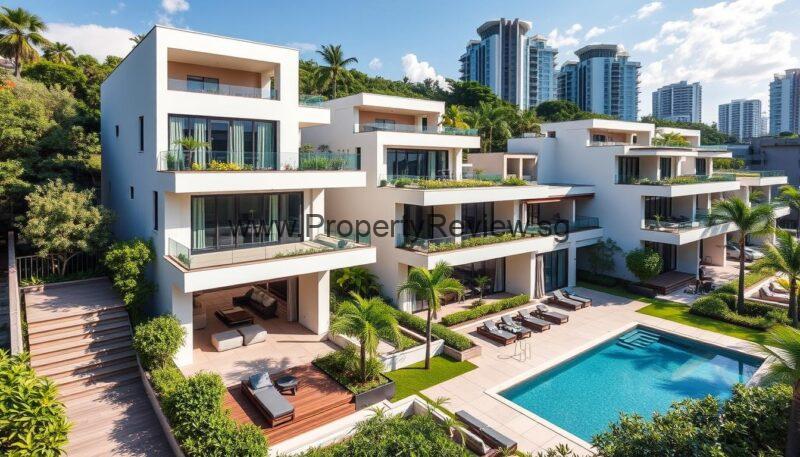
Experts think Singapore landed properties rents might go up by 3-4% in 2024. The rental market is adapting to remote work needs. Landlords need to set realistic prices, upgrade properties, and market them well to keep tenants.
The Role of Technology in Property Searches
In 2025, the Singapore real estate market is changing fast thanks to new technology. Property agents and the real estate world are using new tools to make renting better for everyone. This includes both landlords and tenants.
PropTech, or Property Technology, has changed how people find and see rental homes. Now, virtual tours and online showings let people look at homes from anywhere. This makes finding a place to rent easier and faster.
Artificial intelligence and blockchain are making things run smoother. They help with things like paying rent online, using smart locks, and setting up maintenance. This makes managing properties easier and more efficient.
Technology is also helping property agents give better service. SoReal Prop, a platform from ERA Realty, Huttons Asia, and PropNex Realty, helps agents work better. It lets them access the latest market info and create marketing materials for their clients.
As the market keeps changing, technology’s role in finding homes is more important than ever. People want renting to be easy and quick. The industry is using technology to make this happen, improving how things work, being more open, and making customers happier.
Location Preferences for Remote Workers
The rise of remote work is changing how people look for places to live in Singapore. More people want homes that offer space, are close to nature, and are quiet. Suburban areas are becoming popular for these reasons.
But, the charm of city life with its great connectivity and amenities is still attractive. The idea of “smart cities” is becoming more popular. People want homes that fit well with modern technology and infrastructure. This is changing what people want in both city and suburban homes.
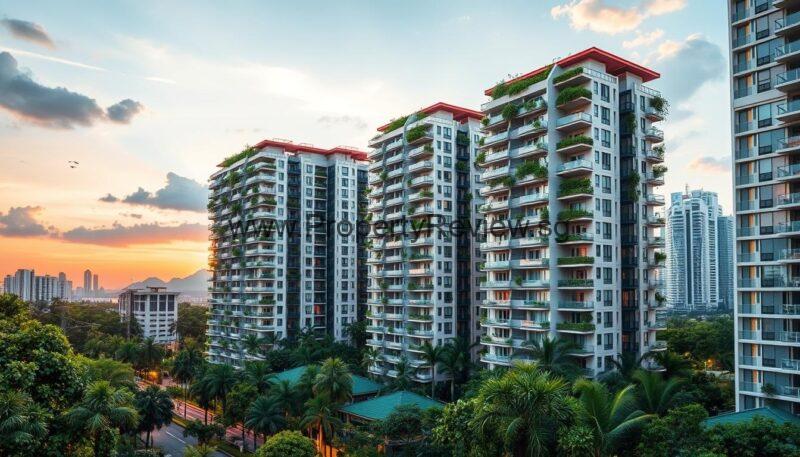
A recent PwC survey found that 70% of workers in Singapore can work from home. About 20% want to work from home full-time. The survey also showed that 30% want to mix remote work with office work, and 15% prefer office work more.
Singapore is becoming a top financial and tech hub, and homes for remote workers are in demand. Developers are making mixed-use communities. These offer the amenities and connection remote workers want, combining city and suburban living.
The Emergence of Co-Living Spaces
The Singapore rental market is changing fast. Co-living spaces are becoming popular among digital nomads, young professionals, and expats. They offer flexibility, community, and are cost-effective, meeting the needs of remote workers.
Co-living spaces in Singapore have fast internet and office amenities. This makes them a great choice for those who work remotely. This trend is opening up new investment chances in the Singapore property market. It’s creating opportunities for niche rental platforms for these tenants.
Landlords are seeing steady, long-term leases and higher property values. Renters get stylish living, a community feel, and convenience. They don’t have to worry about utility bills or talking to landlords.
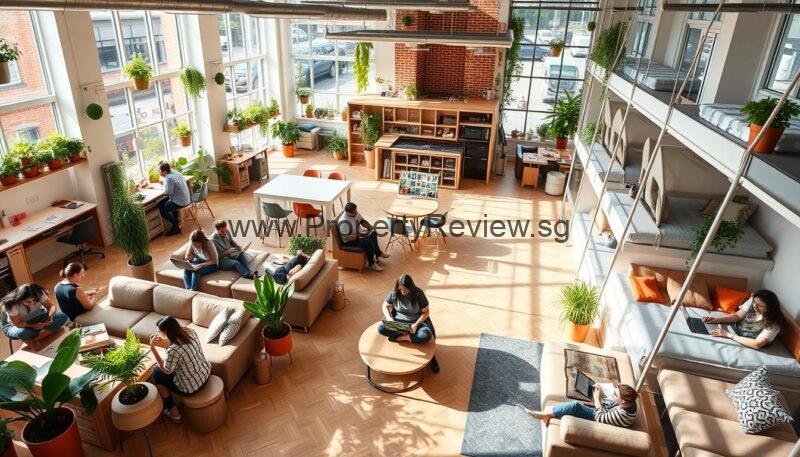
The co-living trend is shaping the Singapore rental market. It’s offering new housing solutions and balancing demand and supply. As more people choose co-living for its flexibility and community, we can expect more creative housing solutions. These will meet the changing needs and preferences of tenants in Singapore.
Financial Implications of Remote Work on Rentals
The shift to remote work has changed the rental market in Singapore. More people are working from home, leading to changes in what types of properties are in demand. This shift has caused rental prices to adjust, especially in areas that are now more popular with remote workers.
A 2022 report by PwC found that both employees and employers in Singapore prefer remote work more than in other countries. This has led to a big increase in demand for properties outside the central region. There was a 43.91% jump in new condo sales and a 34.19% rise in resale since 2021, outpacing other regions.
The rental market in these outside central region properties has also grown a lot. It has seen a 53.38% increase over the last five years, beating growth in other regions. Developers are now offering flexible configurations in new projects. They include units with studies or flexi rooms for remote work setups.
On the other hand, the demand for office space in the central business district has dropped by almost 20% since before the pandemic. This change has opened up new investment chances. For example, turning commercial spaces into homes or building properties for remote work. There’s also a big increase in demand for mixed-use office spaces and co-working spaces, with strong rental prices.
The financial effects of remote work on rentals in Singapore are complex. While some areas see more demand and higher prices, others might see a drop. Owners and investors in real estate need to keep up with these changes. They must adapt to new trends to take advantage of opportunities and meet the needs of tenants.
Profiles of New Tenants in 2025
The Singapore rental market is changing fast. Remote work is making a big impact on who lives here. Millennials and Gen Z want homes that are flexible and tech-savvy, fitting their busy lives.
Expats are also changing their housing needs. They now want longer-term rentals that support remote work. This shift is big for the housing market in Singapore.
These changes are making landlords rethink what they offer. They need to keep up with the new trends in the rental market. This means updating their properties and amenities to meet the needs of today’s tenants.
Co-living spaces are becoming more popular. They offer a mix of private and shared living, along with community amenities. This appeals to those who want a good balance between work and life.
As the rental market in Singapore keeps evolving, landlords and developers must adapt. They need to offer homes that fit the new preferences and needs of tenants.
Environmental Considerations in Rental Choices
Sustainability is now key in choosing rentals in Singapore. People want homes that use less energy and harm the environment less. Green buildings are popular because they save money on bills and help the planet.
Landlords and developers are adding eco-friendly features to meet this need. They also get green certifications to attract tenants. JLL says 42% of companies already use green leases, and 43% plan to by 2025. Also, 65% think green leases will soon replace old ones.
Singapore’s laws push for greener buildings too. The Building Control Act and others require energy and water data reports. The Singapore Green Plan 2030 wants 80% of buildings to be green by 2030.
As more people care about the environment, demand for green homes will rise. Those who focus on eco-friendly features will attract the right tenants. They might also get government help in the future.
The Future of Singapore’s Rental Market
The Singapore real estate market is changing fast. Work culture and new tech are shaping the rental future. Smart home tech will make rentals more appealing and useful. The need for flexible living spaces will keep growing, helping remote workers and those who want to change their living setup.
New rules in property laws could change the rental market too. For example, soon, up to eight people can live in certain places. This could mean more money for landlords and lower costs for renters. It’s a win-win for both sides.
The rental market in Singapore will keep moving. Investors and landlords must be ready to adapt. With more condos coming and possible economic slowdowns, rent growth will slow down. There might even be a small drop in rent by 2023. It’s crucial to keep up with these changes.