Table of Contents
In Singapore, 2021 was a successful year for real estate developers. According to data from the Urban Redevelopment Authority, developers sold 13,027 private homes in 2021, excluding executive condominiums, as the price of a private home increased by 10.6% from the previous year (URA).
Following the implementation of property cooling regulations on December 16, 2021, the private housing market became more subdued in early 2022. However, private home prices increased by 3.5% quarter over quarter in the second quarter of 2022, while Q2’s transaction volume increased above Q1’s. The year’s first significant new launch in the Outside Central Region, the private residential complex AMO Residence, sold virtually all of its apartments within the first day of its launch on July 23.
In Singapore, new homes are often sold off-plan and paid for according to a schedule of incremental payments. Nearly 98% of the new homes offered by developers in 2021 were still under construction.
Consider a building site purchased through the Government Land Sales programme. A developer may begin selling the products associated with their project 12 to 18 months after receiving the site. Construction on the project may still be in its very early stages at this point.
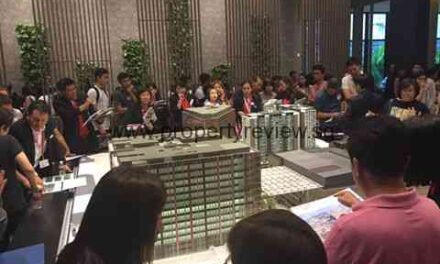
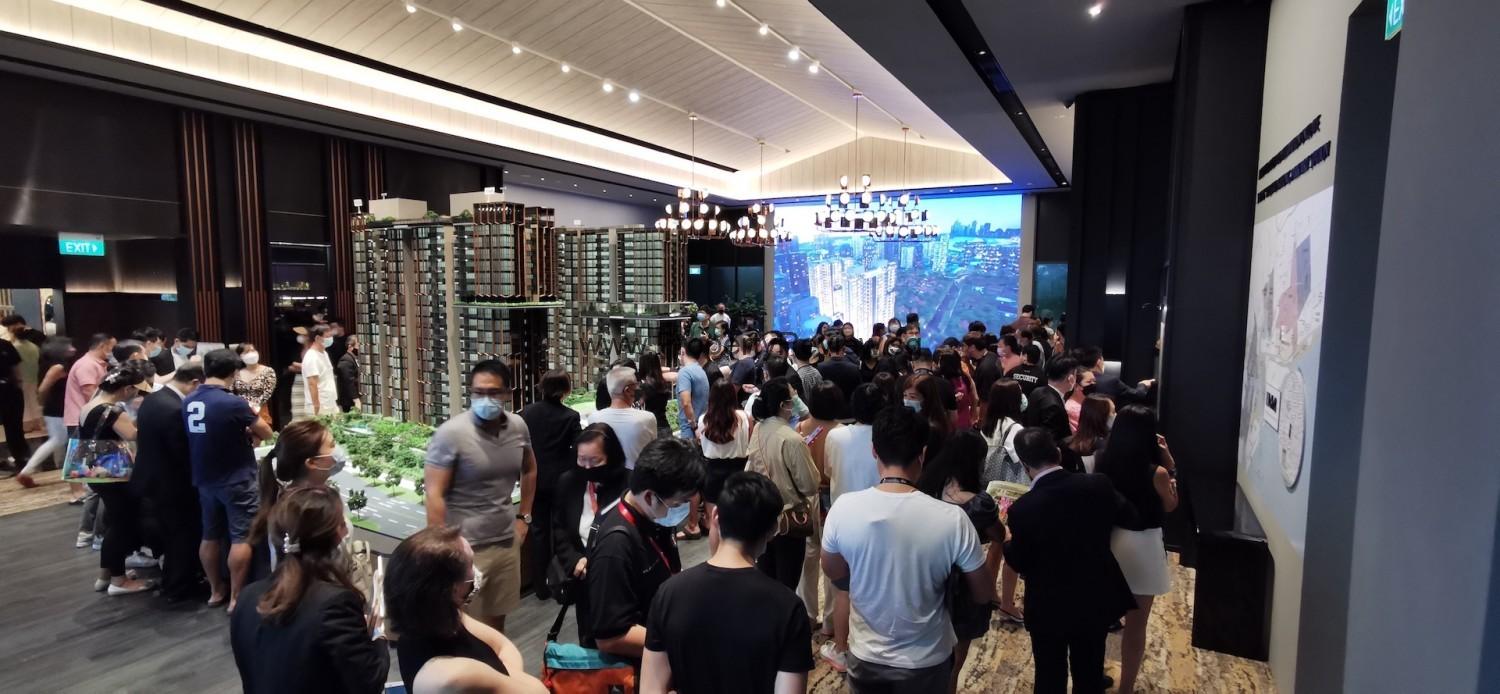
Developers generate excitement for their newest launches by working with marketing consultants. Buyers get into contracts to purchase their brand-new, unfinished homes after being seduced by alluring marketing materials and luxurious demonstration flats.
Typically, a buyer will have paid 20% of the price plus stamp duties within eight weeks of getting the option to buy a new unfinished condominium unit. Following that, the remaining 40% of the purchase price is paid in installments based on various building milestones, which may take two to three years to complete.
A buyer pays an additional 25% of the purchase price and picks up the unit’s keys after the project’s Temporary Occupation Permit is approved. The remaining 15% is due when the project receives its Certificate of Statutory Completion, which could be many months from then.
Off-plan home purchases involve some risks. Home purchasers in China who had made payments for unfinished homes in halted projects are among those who have been impacted by the debt troubles of some Chinese developers.
However, local developers often have a solid track record of timely home delivery to buyers. New house sales off-plan can be profitable for both developers and purchasers.
From Developer Perspective
Selling unfinished new homes allows developers to command a premium price; new-sale units can command a premium of up to 40% over resale units.
Developers have the option to hold off on selling the units until the new homes are done being built, allowing purchasers to enjoy the finished result and maybe pay more for a home that is ready to move into. Developers benefit from increased selling prices by selling finished units if prices increase throughout the development’s completion period.
A notable exception was Swire Properties, which began selling homes at the opulent Eden development at 2 Draycott Park in 2021 after the property’s completion in 2019. Few developers, though, begin the sale of new homes after the development is complete.
Developers frequently welcome selling projects off-plan for financial and risk management reasons, albeit potentially giving up some pricing gain. De-risking a project involves securing high sales around the time when construction begins.
Buyer payments may be utilised to assist finance the construction of a property. The size of the project loan drawdown is decreased as a result of growing financing expenses. Additionally, a portion of the stock invested in the project might be recouped sooner. The end result is a project with a higher internal rate of return despite a possible low nett profit margin.
When a project’s sales are guaranteed, the business development team can focus on acquiring new development sites because the project’s revenue risk has been significantly decreased.
As housing developers in this country have a limited amount of time to complete projects and sell inventory, de-risking projects by locking in sales early is important. Housing developers must pay 40% additional buyer’s stamp duty (ABSD) on sites purchased on or after December 16, 2021, of which 35% may be paid in advance under certain conditions, such as the need to finish and sell all dwellings within five years of the site’s purchase date.
From Homebuyers Perspective
Because they are drawn to purchasing a new product, some buyers may decide to purchase unfinished new homes rather than existing homes in the resale market. Units in new condominium developments might have more effective plans, better configurations, flexible designs, and superior fixtures. Additionally, new construction may use smart and green technologies and provide contemporary amenities, sustainability features, and carefully curated spaces.
The fact that purchasers pay for their homes gradually is a significant factor in the popularity of buying homes off-plan. A buyer of an unfinished new home who anticipates an increase in prices can lock in the price of his unit today before picking up the keys to the apartment, say, in three years.
By the time a buyer of an unfinished home receives the keys to his new residence, home prices may have increased by double digits if home prices increase by a few percentage points annually. The customer has not yet paid the full purchase price of the unit during this time.
In comparison to a completed resale home, a buyer may have significantly more time to make the whole payment on an unfinished new home. The said buyer is not required to immediately draw down and service the entire mortgage debt, unlike when purchasing a finished resale home.
In conclusion, both buyers and sellers have valid reasons for engaging in the off-plan purchase of new homes.
Although purchasing a home off-plan is common in Singapore and may have a minimal risk of a finished product not being delivered, purchasers should be aware that they run the chance of being dissatisfied when they receive the keys to their dream home. It’s possible to be unsatisfied with the standard of workmanship, the promptness with which flaws are fixed, or the general lack of WOW factor of the facilities.
When purchasing an unfinished new home, buyers take a leap of faith. Hopefully, developers will go above and above to justify the trust of consumers because they respect their reputations and are dedicated to creating sustainable enterprises. May there be many delighted home owners after receiving the keys to their expensive new residences.