

Table of Contents
The Singapore property market is changing fast. First-time buyers in 2025 have a lot to think about when looking for their dream homes. They need to consider different types of properties, like HDB flats and luxury houses. They also have to think about how close these homes are to work, schools, public transport, and fun places.
Planning for the long term, doing market research, and understanding legal rules are key. Talking to experienced real estate agents can help a lot. They can share the good and bad of each property. This way, first-time buyers can choose wisely, thinking about their future needs and how the property might grow in value.
Key Takeaways
- Understand the diverse range of property types available in Singapore, from HDB flats to luxurious landed houses.
- Consider factors like proximity to work, schools, public transportation, and recreational facilities when selecting a neighborhood.
- Engage with real estate agents to gain a deeper understanding of the market and the pros and cons of each property option.
- Develop a realistic budget by calculating affordability based on down payment and potential loan options.
- Conduct thorough market research and due diligence to make informed decisions and avoid overpaying.
Understanding the Singapore Property Market
The Singapore property market is complex and always changing. Many factors influence it, like government policies and economic conditions. These elements shape the trends and patterns in this market.
Economic growth is a big factor in property prices. When the economy is strong, people have more jobs and money. This leads to higher demand for properties in Singapore.
Population growth also affects the market. More people moving to Singapore means more housing demand. This puts pressure on property prices, especially in popular areas.
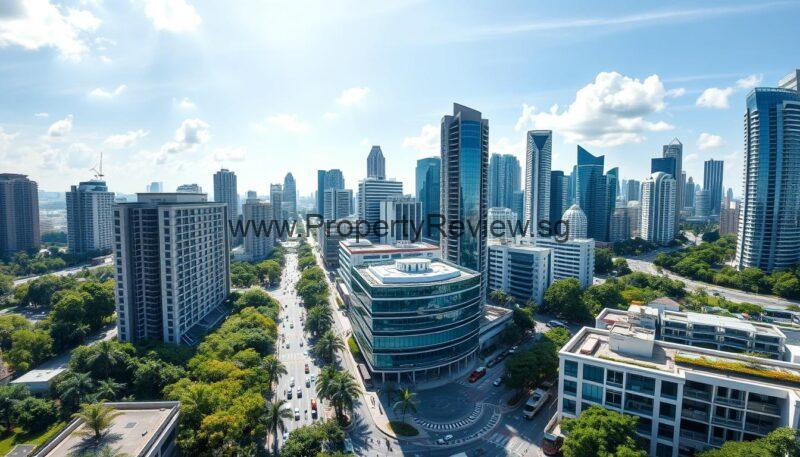
New areas like Punggol, Woodlands, and Geylang are becoming popular. They offer unique features that attract families and young professionals. Punggol has waterfront living and green spaces, Woodlands is more accessible, and Geylang has new developments.
Government policies, like the Additional Buyer’s Stamp Duty (ABSD) and Total Debt Servicing Ratio (TDSR), also play a big role. These policies help keep the market stable and prevent speculation. They affect property prices and how buyers behave.
To succeed in the Singapore property market, it’s key to know the trends and factors. Understanding this complex landscape helps you find the right property. It should meet your needs and financial goals.
Setting a Realistic Budget
For first-time property buyers in Singapore, setting a realistic budget is key. You need to look at your current spending, debts, and future money goals. Remember, the purchase price is just the start. You’ll also have to pay for stamp duty, legal fees, and maintenance costs.
Financing options include bank loans or HDB loans, depending on your situation. Getting pre-approved for a mortgage is a smart move. It shows how much you can borrow based on your income and debts.
When planning your budget, think about long-term commitments like a 30-year loan. Online tools like the DBS MyHome Planning tool can help. They show how much home you can afford and if your payments fit your budget.
A good budget is essential for investing in Singapore’s property market. It keeps you financially stable in the long run. With a realistic budget, you can find the right property in Singapore that matches your needs and budget.
Choosing the Right Property Type
First-time buyers in Singapore face a wide range of property options. Each type has its own benefits and drawbacks. The choice depends on your budget, lifestyle, and investment goals.
HDB flats are more affordable but have certain eligibility criteria. Private condominiums offer more amenities but cost more. Landed properties, like bungalows, provide more space but are pricier.
For commercial interests, Singapore offers office buildings, shophouses, and industrial sites. These cater to different business needs. The variety ensures there’s something for everyone, whether for personal use or investment.
Choosing the right property is a personal decision. It involves considering your financial situation and future plans. By weighing the pros and cons, buyers can find the best fit for their needs and dreams.
Researching Locations in Singapore
Location is key when buying a property. Singapore has many neighborhoods for first-time buyers. Areas with good connectivity and amenities like schools and shops are popular.
As the property market changes, it’s vital to look at both current and future areas. New MRT lines and commercial hubs can make an area more desirable. By researching well, buyers can find the right place for their lifestyle and future plans.
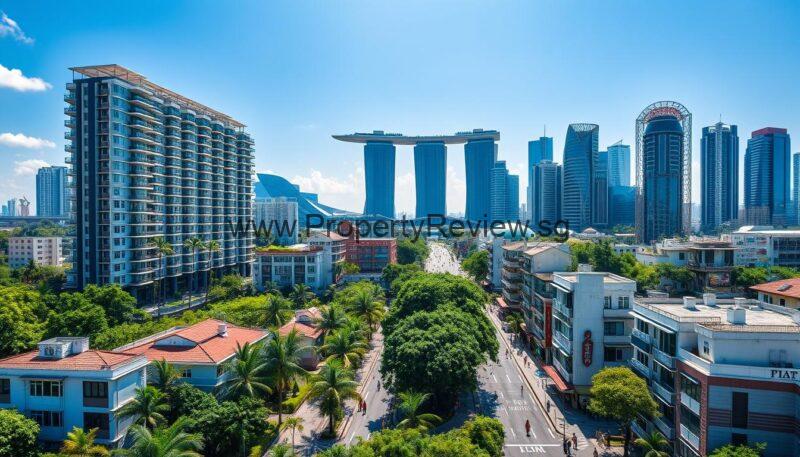
In 2023, 89.7% of Singaporeans owned their homes. Most, 77.8%, lived in HDB flats. The rest lived in condos or landed properties. With more households, the need for different homes grows.
Engaging a Real Estate Agent
Working with a qualified Singapore property agent can be very helpful. They know a lot about the local real estate market. They also have great negotiation skills and can guide you through the buying process.
When choosing a Singapore property agent, ask about their experience and knowledge of certain areas. Also, find out how many first-time buyers they have helped. A good agent can find properties that fit your needs and preferences, making your search easier.
In Singapore, all property agents must be registered with the Council for Estate Agencies (CEA). They have a unique CEA registration number. This means agents work professionally and follow the law.
Choosing a reliable Singapore property agent can make buying a home easier. They offer expert advice and support. Their knowledge can help you find the perfect property to call home.

Understanding Legal Aspects of Property Purchase
Buying property in Singapore means you must understand the legal side. The Urban Redevelopment Authority (URA), Building and Construction Authority (BCA), and Council for Estate Agencies (CEA) all play a role. Laws like the Land Titles Act, Residential Property Act, and Building Maintenance and Strata Management Act are key.
The Land Titles Act deals with land registration and who owns what. New laws aim to make things clearer and protect everyone’s interests. The government also has rules for foreign investors to keep the market stable.
Technology is changing the Singapore property scene. It makes buying and selling easier for everyone. Knowing about different types of ownership is important for new buyers. Property taxes and stamp duties add to the cost of buying a home here.
Where a property is located in Singapore matters a lot. It can affect how much it’s worth and how much rent it can get. New projects and government plans can make some areas more appealing.
Financing options vary depending on the property type. HDB flats can get HDB loans or bank loans. Private properties only get bank loans, with different rates and terms.
Conducting Property Viewings Effectively
In Singapore’s fast-paced Residential Properties market, it’s key to do thorough property viewings. As a first-time buyer, look beyond the surface. Check the property’s structure, natural light, and if it needs renovation.
Think about noise levels, traffic, and what’s around the property. Ask about the property’s history, maintenance, and future changes. For BTO flats, look at the floor plan and views, as you can’t see the actual unit before.
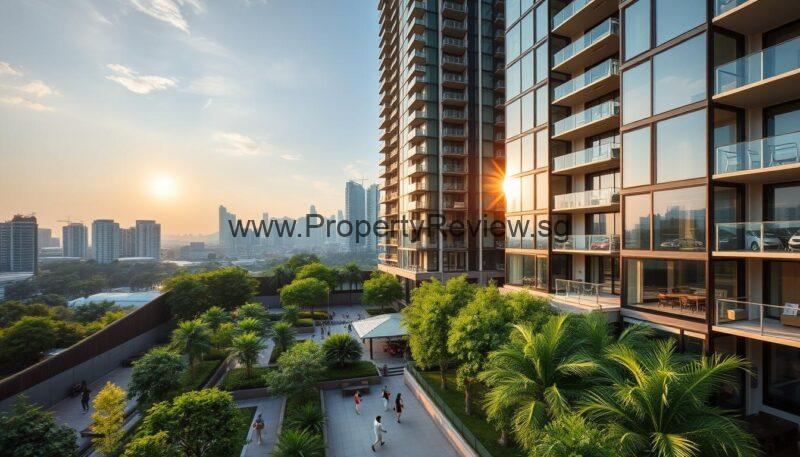
The COVID-19 pandemic has made virtual viewings more common. Agents use tech to show properties. But, in-person viewings are still best. They let you see the property and its area fully.
Effective viewings help first-time buyers spot issues and make smart choices. This way, they can find a property that fits their needs and budget well.
Negotiating the Purchase Price
Getting a good deal on a property in Singapore is key to success. As a first-time buyer, it might seem tough. But, with the right tactics, you can get a great price. It’s all about doing your homework, being confident, and knowing when to stop if the price is too high.
Begin by looking at similar properties in the area. Websites like SRX X-value and ERA’s RealtyWatch app can show you recent sales. This helps you make a smart offer. Don’t share too much about your family, as it could hurt your bargaining power.
When you’re ready to make an offer, start low. Aim for 10% below the property’s value or 15% off the asking price. If the seller wants a quick sale, they might accept a lower offer. Having your finances in order helps too. A written offer shows you’re serious and can include specific terms.
Keep negotiations focused on facts, not feelings. Think about the property’s condition and value, not its charm. Avoid talking about the property’s good or bad points. It could affect how the seller sees your offer.
By sticking to these tips and staying strategic, you can confidently negotiate. This way, you’re more likely to find a property in Singapore that fits your budget and goals.
Preparing for Financing Approval
Buying property in Singapore requires careful preparation for financing approval. First-time buyers need to gather important documents. These include proof of income, tax returns, and bank statements to show they can afford it.
Keeping a good credit score is also key. This means paying bills on time and not using too much credit. Lenders look closely at credit scores.
It’s important to know about different loan options. HDB loans and bank loans in Singapore let you borrow up to 75% of the property’s price. For an HDB loan, your household income must not be over $14,000 ($7,000 for singles).
With a bank loan, you need a 25% down payment. At least 5% of this must be in cash. Using home loan calculators can help figure out how much you can borrow and what your monthly payments will be.
Understanding rules like the Total Debt Servicing Ratio (TDSR) and Mortgage Servicing Ratio (MSR) is also vital. The TDSR limits loan repayments to 55% of your monthly income. The MSR restricts repayments to 30% of your monthly income for HDB and EC housing loans.
By knowing the financing requirements well, first-time buyers in Singapore can boost their chances of approval. This brings them closer to owning their dream property.
Final Steps Before Closing the Deal
As you near the end of buying a Singapore property, there are key steps to take. A detailed home inspection is vital to find any issues. It could change your mind or help in negotiations.
Also, reviewing the Sales and Purchase Agreement (SPA) is crucial. This document outlines the sale’s terms and conditions.
On closing day, you’ll sign legal papers and pay the final amount. Getting the keys to your new home is exciting. But, it’s important to address any last-minute concerns.
Keeping in touch with your real estate agent, lawyer, and the buyer is essential. It helps avoid risks and makes the process smooth in the Singapore property market.
By carefully finishing these steps, you can confidently close the deal. You’ll then own your new Singapore property. The journey might be complex, but with the right help, you can find your dream home.


