Table of Contents
The End of an Era: The Closure of Singapore’s Last 18-Hole Public Golf Course
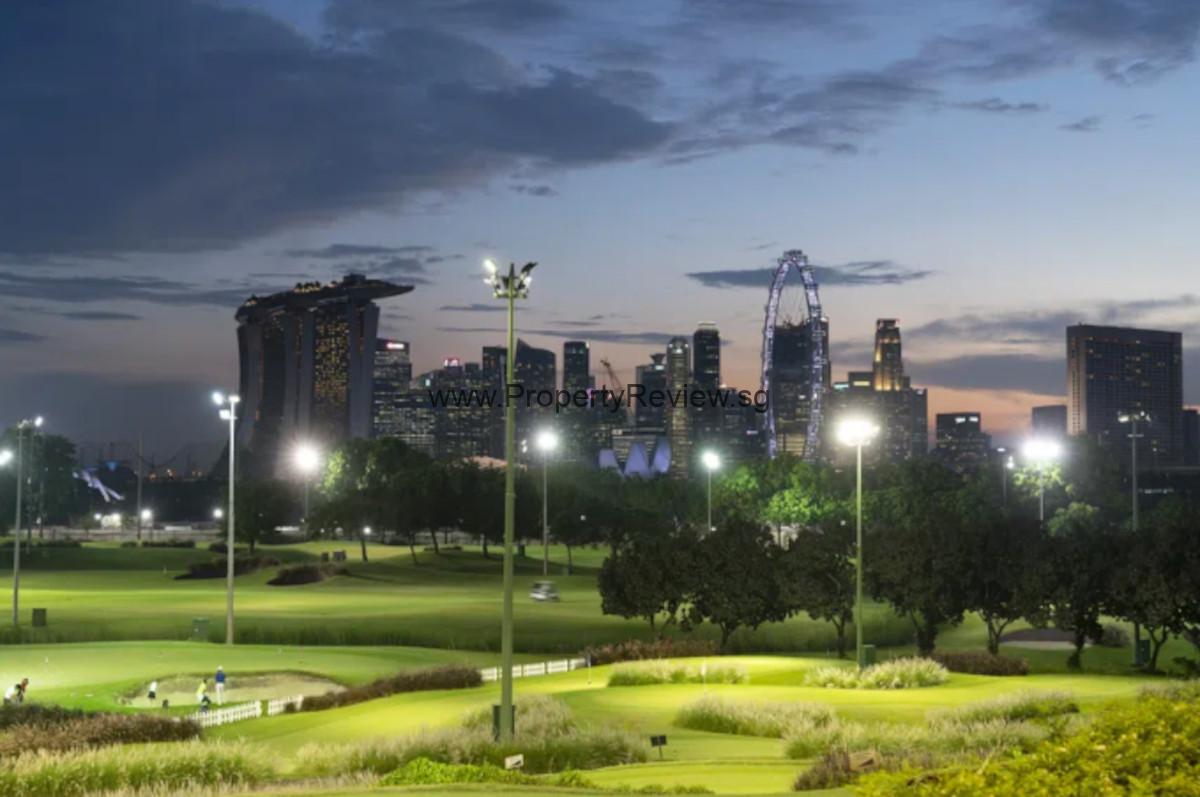
The golfing community in Singapore has been hit with a significant change. The nation’s last 18-hole public golf course is closing its doors, marking the end of an era for local sports enthusiasts. This development has left many questioning the future of public golfing in an urban landscape that’s rapidly evolving.
Reasons Behind the Closure
The closure of the course is a direct result of redevelopment plans. Singapore’s limited land resources make land a valuable commodity. Consequently, the government has made the tough decision to repurpose this valuable space for other uses, which likely include residential, commercial, or infrastructural projects. This is not an isolated incident; it’s part of a broader trend affecting many public spaces in densely populated cities.
Urban Development Pressures
Singapore faces constant pressure to maximize the utility of its scarce land. The government meticulously plans every square meter to serve the growing population and evolving economic needs. This often results in the repurposing of recreational and open spaces. Real estate demands have weighed heavily on the country’s decision-makers, making redevelopment projects an inevitable reality.
Community Impact and Public Response
Local communities and avid golfers have voiced their concerns and disappointment regarding the closure. For many, the public golf course was more than just a place to play the sport; it was a communal hub that fostered social interactions and outdoor activities. The loss of the course will undoubtedly create a void, both socially and recreationally.
What This Means for Golf Enthusiasts
For golf enthusiasts in Singapore, the closure of the last 18-hole public golf course marks a significant shift. Many are now left with fewer options for playing the game without joining expensive clubs. The ramifications extend beyond just inconvenience, potentially affecting the sport’s popularity and accessibility.
Increased Costs and Accessibility Issues
Public golf courses play a vital role in making the sport accessible to people from diverse economic backgrounds. With the closure, enthusiasts may need to turn to private clubs, which often come with hefty membership fees. This shift could potentially alienate a portion of the population from enjoying the sport, turning golf into an elite activity rather than a public pastime.
Alternative Recreational Spaces
While the closure is indeed significant, it also challenges the community to look for new and innovative ways to enjoy outdoor activities. Parks, community centers, and other sports facilities might see an influx of visitors seeking new ways to stay active. This could potentially encourage city planners to invest in multi-purpose recreational spaces that cater to a wider range of interests.
Future Prospects and Opportunities
Though the redevelopment of the public golf course marks the end of an era, it also opens up new opportunities for urban development and public recreation. The land repurposing could lead to the creation of new parks, residential areas, and commercial spaces that serve broader community needs.
Innovative Urban Design
Singapore has always been at the forefront of urban innovation and sustainable design. The repurposing of the golf course might result in smart and sustainable urban projects that enhance living conditions while meeting the city’s ecological and social goals. Such projects could include green buildings, smart homes, and integrated public spaces designed to promote communal activities.
Balancing Recreation and Development
Urban planners face the challenge of balancing recreational needs with development pressures. The closure of the golf course serves as a reminder of the need for inclusive planning that considers both economic and social factors. Future developments could focus on creating versatile spaces that provide various recreational opportunities while catering to the city’s growth.
The closure of Singapore’s last 18-hole public golf course is a bittersweet development. While it signals the end of a beloved recreational space, it also ushers in new possibilities for urban growth and diversification. As Singapore continues to evolve, finding a harmonious balance between development and community needs will be crucial for fostering an inclusive and vibrant urban environment.