

Table of Contents
As 2025 gets closer, Singapore’s housing market is worried about lease decay, especially for HDB flats. In 2022, 259 HDB flats sold for over $1 million, showing strong demand. But, there’s a big worry about how lease decay might affect their value.
The HDB Resale Price Index grew by 3.7% in the first three quarters of 2023. This is less than the 7.8% in 2022 and 8.9% in 2021. Also, sales of 4-room flats for over $1 million went up by 49% in 2023. This shows people still want HDB flats, even with lease decay worries.
Key Takeaways
- HDB flats in Singapore are subject to a 99-year lease, raising concerns about lease decay as 2025 approaches.
- The HDB Resale Price Index shows a slowdown in growth, indicating potential impact of lease decay on property values.
- Million-dollar transactions for HDB flats continue, highlighting the enduring demand for these properties.
- Homeowners and buyers should be aware of the implications of lease decay and consider their long-term investment strategies.
- Government initiatives, such as the Lease Buyback Scheme, aim to address the challenges posed by lease decay.
Understanding HDB Properties in Singapore
HDB properties are key in Singapore’s Real Estate scene. About 80% of Singaporeans live in these public housing units. They come in sizes from 2-room to 5-room, and even specialized flats like 3Gen and Executive.
The Housing and Development Board manages these properties. They make sure these homes are affordable and accessible. 2-room flats are for lower-income families, seniors, and singles. 3-room and 4-room flats are popular with young couples and families. The bigger 5-room and 3Gen flats are for larger families.
In October 2024, a new system was introduced for HDB BTO flats. They are now classified as Standard, Plus, and Prime. This change makes Plus and Prime flats 35-40% cheaper than resale flats. It shows the government’s focus on affordable housing over making profits.
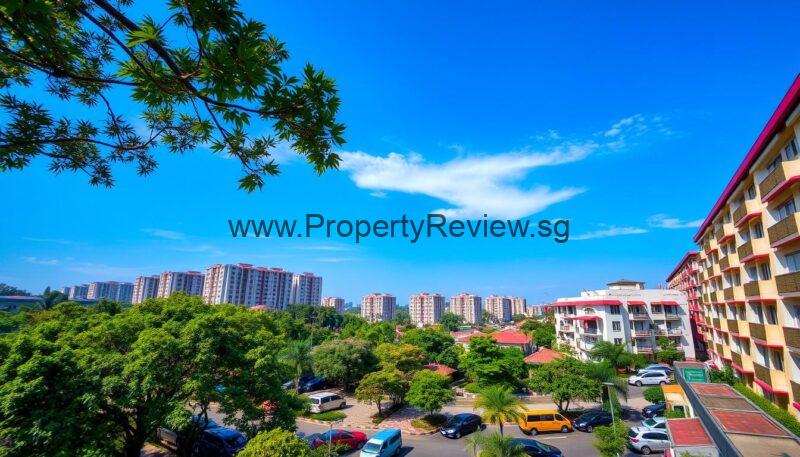
Understanding HDB properties is key for those in the Real Estate Singapore market. These public housing units are the backbone of the country’s homes. They offer affordable and accessible living for most Singaporeans.
What is Lease Decay?
Lease decay is when a property’s value goes down as its 99-year lease gets closer to ending. The Singapore Land Authority shows how much value drops. For example, at 75 years left, the value is 88.5% of what it was. At 50 years, it’s 74.7%, and at 25 years, it’s just 54.6%.
The biggest drop happens between 69 to 79 years left. When the lease ends, the property’s value hits zero, and it goes back to the state.
The 99-year lease system in Singapore is key for Property Investments. As leasehold properties get older, their value goes down. This affects investment choices and resale value. It’s important for both new buyers and experienced investors to understand lease decay.
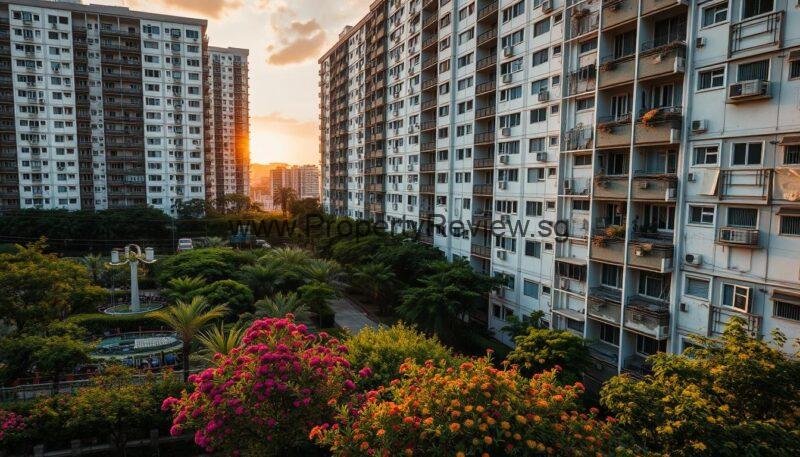
Leasehold properties lose value quickly, especially when they’re younger. This is because they lose potential income as they get older and the lease gets shorter. It’s vital to look at the lease’s remaining years and how it affects the property’s value when investing in Singapore.
The 99-Year Leasehold System Explained
The 99-year leasehold system in Singapore was created to recycle land and keep property prices low. HDB flats and many luxury homes have a 99-year lease. This means the land and property will go back to the government when the lease ends.
Now, there’s no automatic renewal for HDB flats. But, the government has schemes like SERS and VERS to help. These programs let the government buy and redevelop properties before the lease runs out. Sadly, only about 5% of HDB flats can join SERS, as Prime Minister Lee Hsien Loong said in 2018.
The 99-year lease system affects Luxury Homes Singapore and other leasehold properties. As the lease gets shorter, the property’s value might drop. Getting loans can also get harder because of property laws that limit CPF and bank lending for short leases.
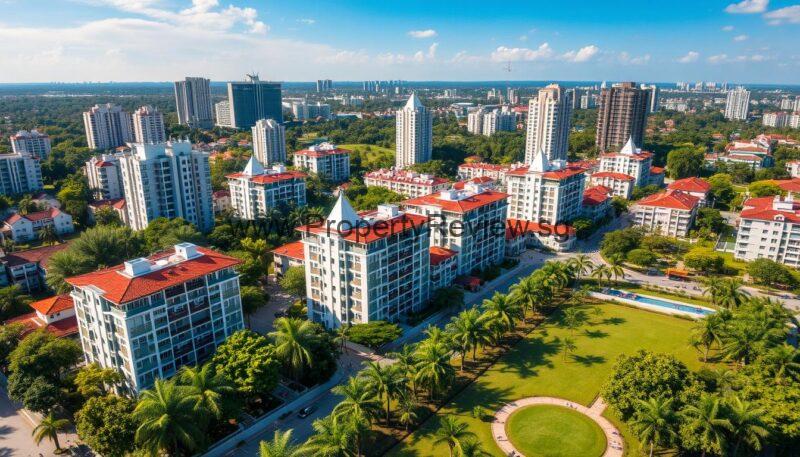
It’s important for property buyers and investors in Singapore to understand the 99-year leasehold system. Knowing the risks and opportunities helps them make smart choices. These choices should match their financial goals and investment plans.
Current Trends in the Singapore Property Market
The Singapore property market has seen a lot of interest lately. Trends are changing the face of residential real estate. For example, 259 HDB flats sold for over $1 million in 2022. This shows how much people want to live in certain areas.
Things like interest rates and government policies affect property prices. New MRT lines and office spaces moving out of the city center also play a role. Experts say the Core Central Region saw only a one percent increase in 2023. But, 2024 might see a big jump in new units, the most since 2021.
Prices for private homes went up about 6.7 percent in 2023. Next year, we might see 8,000 to 11,000 new units. But, with prices reaching $2 million for a three-bedder, some might find it hard to afford.
Properties near MRT stations, like J’den and Reserve Residences, are still in demand. People also want to live in car-free areas. This is why places like Bayshore, near MRT stations, are popular.
In summary, the Singapore property market is still very active. Trends and demand are influencing how people invest in real estate.
Is Lease Decay a Significant Issue?
In Singapore, the property market is changing fast. Lease decay is now a big worry for those buying Commercial Properties Singapore and investors. The 99-year lease system makes homes affordable but raises questions about property values over time.
Lease decay is a big worry when a property’s lease is less than 60 years. It makes it hard to use CPF funds and get bank loans for buying properties. Owners of older flats might struggle to sell them, and the value of the property could drop as the lease ends.
The worry about lease decay also affects how people feel about investing in property. Buyers, especially those looking to invest, worry about property values and what the government might do. This worry can change how people feel about buying Commercial Properties Singapore and the whole market.
But, lease decay isn’t the same for everyone. Leasehold properties can still do well, even better than freehold ones in some cases. The difference in price between freehold and leasehold properties has gotten smaller. This shows that lease decay might not be a big problem for all property investments.
Upcoming Changes in 2025
As 2025 gets closer, property developers in Singapore and experts expect changes in HDB lease rules. Real estate analysts think the government will step in more to deal with lease decay worries. The Voluntary En-bloc Redevelopment Scheme (VERS) might start in the next 20 years, affecting older HDB developments.
Market forecasts suggest more million-dollar HDB deals and price hikes in sought-after areas. The government is taking action, like a 20% Property Tax (PT) rebate for HDB owners in 2025. Private property owners will get a 15% rebate, capped at $1,000.
Also, over 90% of private homes will pay less PT in 2025. This is because of changes in Annual Value (AV) bands. All one- and two-room HDB flats will not have to pay PT in 2025. The first AV band will go from $8,000 to $12,000. These moves aim to ease the financial load on property owners, especially in lower-value homes.

The government is also offering more help to property owners in tough financial spots. They can apply for a longer payment plan through the myTax Portal. These changes in 2025 show the government’s efforts to keep up with real estate changes and forecasts in Singapore.
How Lease Decay Influences Investment Decisions
In Singapore, Property Agents Singapore must think about lease decay when investing in real estate. The lease left, location, and chance for en-bloc sales are key. These factors can greatly affect an HDB property’s value.
Flats in top spots like Tiong Bahru and Queenstown might keep their value better, even with lease decay. But, older flats (less than 60 years left on the lease) face financing hurdles. Location is still very important, as areas close to amenities and transport often have higher prices.
Private leasehold properties lose over 30% of their value after 20 years. But, HDB flats only drop by 3%. This shows how vital it is to understand the real estate market in Singapore. Location can help balance out the effects of lease decay.
Investors need to consider the risks and chances of the 99-year lease system and en-bloc sales. These sales can lead to big payouts for private property owners. As the market changes, Property Agents Singapore and smart investors must keep up with trends and government plans.
Strategies for Buyers Concerned About Lease Decay
Buyers worried about lease decay in Singapore have several strategies. They can look at newer HDB flats with longer leases. Or, they can consider private properties, which don’t face the same lease issues as HDB units.
The government’s Prime Location Public Housing (PLH) model is another option. It offers affordable housing in prime areas with extended leases. This way, buyers can reduce lease decay risks and possibly see better value in the long run.
It’s key to choose properties with a lot of lease left, like 70 years or more. These tend to keep their value better and might attract more buyers later. Also, picking properties in good locations with strong growth potential can help counter lease decay effects.
Buyers should think about the balance between cheaper older HDB flats and pricier newer ones. While older flats might seem more affordable, the lease decay impact should be considered. Looking into other investments, like REITs or commercial properties, can also spread out the risk.
Government Initiatives on HDB Leases
The Singaporean government is working hard to tackle the issue of aging HDB flats. They have launched two main programs: the Selective En-bloc Redevelopment Scheme (SERS) and the Voluntary Early Redevelopment Scheme (VERS). These schemes aim to tackle the problem of lease decay.
With SERS, the government buys older HDB blocks. They then give the residents new flats in the same area. VERS lets owners of older HDB blocks decide if they want to redevelop their estates before their leases end. These programs help keep public housing in good shape, even as leases expire.
The government also introduced the Prime Location Public Housing (PLH) model. It aims to make public housing in prime areas affordable and accessible. This shows the government’s dedication to housing policies that meet the needs of all Singaporeans, including urban planning and property management.
As Singapore’s housing needs change, the government might come up with new ideas. This could include lease renewal options or new types of public housing. These efforts show the government’s commitment to solving lease decay issues and providing quality, affordable homes for everyone.
The Role of Real Estate Agents
In Singapore’s fast-paced real estate market, property consultants are key. They help buyers and sellers understand lease decay. They provide insights on property value, market trends, and financing for older HDB flats. It’s crucial to pick an agent with HDB experience and lease decay knowledge.
Real estate agents in Singapore don’t have fixed commission rates. But, they must follow strict rules to protect everyone’s interests. They must know their clients well and can’t get commissions from both sides of a deal. This is against the Estate Agents (Estate Agency Work) Regulations 2010.
Agents are also advised to use standard contracts for home deals. These contracts help balance everyone’s interests. They also need to record clients’ details for due diligence and to prevent money laundering or terrorist financing.
For those dealing with lease decay, a skilled Real Estate Singapore agent is a big help. These property consultants can help analyze property value over time. They ensure clients make smart choices with their real estate services.
Conclusion: To Worry or Not About Lease Decay
Lease decay in Singapore’s HDB properties is a concern, but it’s not the only thing to think about. Most HDB flats have leases over 60 years. Even the oldest flats can sell for over $1 million, showing their value.
When buying or owning an HDB, think about your future needs, money, and how much risk you can take. The government is working on solutions, like the VERS scheme, to help with lease decay. Making smart choices and understanding the market is crucial.
Despite challenges like lease decay, HDB flats are still a good option for affordable housing in Singapore. Knowing about the 99-year lease and government plans can help you make wise decisions. This way, you can meet your housing needs and stay financially stable.
FAQ
What are HDB flats in Singapore?
What is lease decay and how does it affect HDB properties?
How has the Singapore property market been affected by million-dollar HDB transactions?
What are HDB flats in Singapore?
What is lease decay and how does it affect HDB properties?
How has the Singapore property market been affected by million-dollar HDB transactions?
FAQ
What are HDB flats in Singapore?
HDB flats are public housing in Singapore. The Housing and Development Board manages them. They help make housing affordable for many, with about 80% of people living in them.
What is lease decay and how does it affect HDB properties?
Lease decay means property value goes down as the lease ends. The Singapore Land Authority shows a big drop in value when the lease is short. The biggest drop is when there are 69 to 79 years left.
How has the Singapore property market been affected by million-dollar HDB transactions?
Million-dollar HDB sales have increased, with 259 flats sold for over
FAQ
What are HDB flats in Singapore?
HDB flats are public housing in Singapore. The Housing and Development Board manages them. They help make housing affordable for many, with about 80% of people living in them.
What is lease decay and how does it affect HDB properties?
Lease decay means property value goes down as the lease ends. The Singapore Land Authority shows a big drop in value when the lease is short. The biggest drop is when there are 69 to 79 years left.
How has the Singapore property market been affected by million-dollar HDB transactions?
Million-dollar HDB sales have increased, with 259 flats sold for over $1 million in 2022. Demand for resale flats is high, especially in popular areas. Economic factors and government policies also affect property values.
What are the concerns around lease decay for HDB properties?
Lease decay is a big worry when the lease is under 60 years. It makes it hard to use CPF for buying and get bank loans. Older flats are harder to sell, and there’s a risk of losing value over time.
What are the government initiatives to address aging HDB flats?
The government has schemes like SERS and VERS to help with aging flats. But, only about 5% of flats are eligible for SERS, as Prime Minister Lee Hsien Loong said in 2018.
How can buyers and investors navigate the HDB market amidst lease decay concerns?
Investors should think about the lease, location, and en-bloc potential when choosing HDBs. Buyers worried about lease decay can look at newer flats or private properties. Look for flats with long leases, good locations, and potential for growth.
What is the role of real estate agents in addressing lease decay issues?
Real estate agents are key in dealing with lease decay. They offer insights on value, trends, and financing for older flats. Choose agents with HDB experience and knowledge of lease decay.
million in 2022. Demand for resale flats is high, especially in popular areas. Economic factors and government policies also affect property values.
What are the concerns around lease decay for HDB properties?
Lease decay is a big worry when the lease is under 60 years. It makes it hard to use CPF for buying and get bank loans. Older flats are harder to sell, and there’s a risk of losing value over time.
What are the government initiatives to address aging HDB flats?
The government has schemes like SERS and VERS to help with aging flats. But, only about 5% of flats are eligible for SERS, as Prime Minister Lee Hsien Loong said in 2018.
How can buyers and investors navigate the HDB market amidst lease decay concerns?
Investors should think about the lease, location, and en-bloc potential when choosing HDBs. Buyers worried about lease decay can look at newer flats or private properties. Look for flats with long leases, good locations, and potential for growth.
What is the role of real estate agents in addressing lease decay issues?
Real estate agents are key in dealing with lease decay. They offer insights on value, trends, and financing for older flats. Choose agents with HDB experience and knowledge of lease decay.


